
Ed Tech Blog
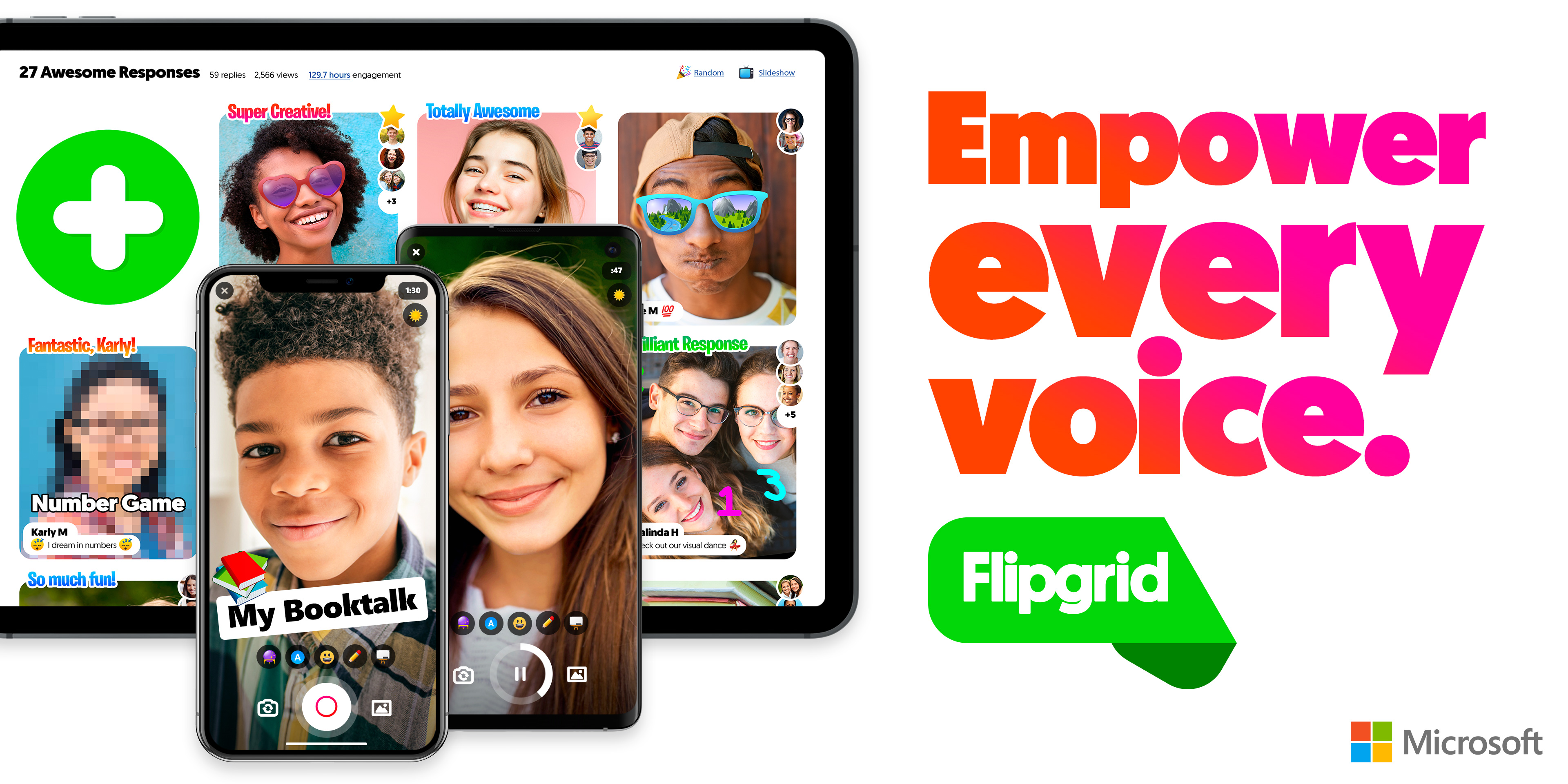
As educational technology advances, there are an increasing number of educational tools that are useful to help make learning interactive for students in the classroom. This tool has a significant number of uses that can turn any lesson into an interactive experience for students in any subject.
Flipgrid is a web-based program, which can be accessed in a wide array of settings, for in-person, hybrid, or remote learning, and can be accessed on any device that the student has access to. The program is easy to use for all teachers, simply create a free account with a google or Microsoft account, and connect to your students with a simple code or link.
The Functions of Flipgrid
This very diverse tool is focused primarily on the use of videos that make student interaction with the content more engaging. The teacher is also able to create groups for classes where students join through a code. This allows the teacher to better view student progress as students complete assignments in this online program.
Students can view a video and then respond to a question in the program about the lesson or the topic that the video was about. As the lesson or activity proceeds, this allows additional processing time and a safe space for students who may not be as keen on interacting in the live classroom. As a result of the pandemic, there is an increased rate of students with anxiety, and using a platform such as Flipgrid that allows students to develop and engage with the content in a way that reduces the number of stressors that those students may feel in the traditional classroom setting.
The ability for students to add emojis, text, and stickers adds another level of engagement for students as they let their creativity...
Read more: Flipgrid: A Useful Tool for Interactive and Collaborative Education
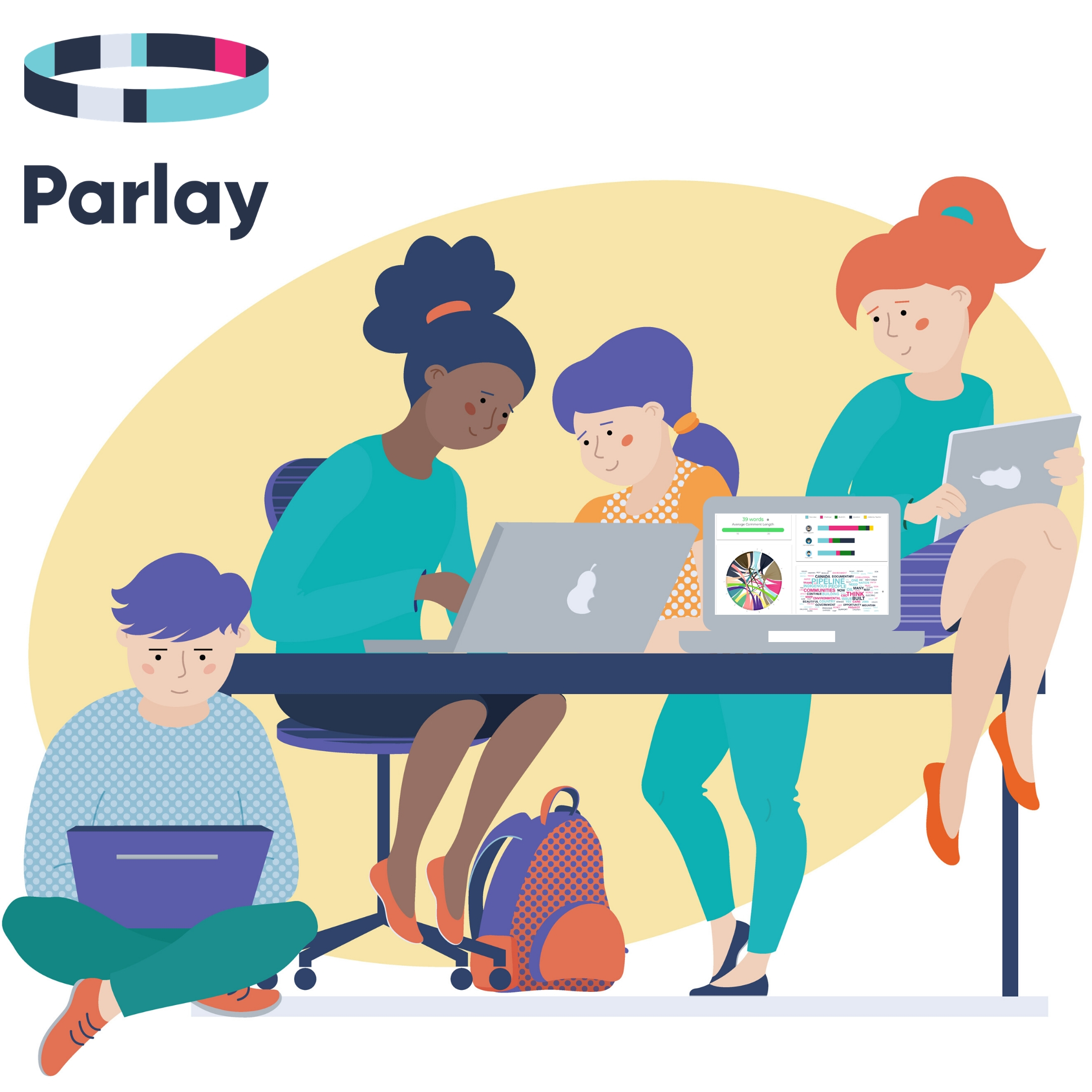
If you ever wanted your students to speak up more, or if you have ever felt like a few students dominated all classroom discussions, then Parlay might change your classroom for the better. Parlay is an online class discussion tool that assists teachers to create classroom discussions. Classrooms that have used Parlay have reported an 85% increase in participation. This post will go through everything you need to know about Parlay, from why it is beneficial for the classroom, to an overview of the steps you need to follow to start the discussions.
What’s the big deal with discussion forums in the classroom anyway? When you bring discussions into the classroom, you will more than double a student’s achievement, and teach the students about analytical reasoning and communication. But there is one thing to point out, these benefits are limited to the students who actively participate. A discussion forum in the classroom provides a unique way for every student to participate in discussing a particular topic.
Parlay is a discussion forum for the classroom that provides all the advantages that a traditional discussion can have for the classroom. Parlay has reported that students feel more comfortable participating, and communicating, as well as feeling more respected by their peers.
Read more: Parlay: A Place where Students have Meaningful Discussions
Can students reach their full potential and thrive in their studies if they struggle with maintaining their well-being?
Research has shown time and time again that student well-being is linked with academic success. While well-being can refer to cognitive, psychological, physical, and social wellness, a disruption in one aspect is likely to lead to some emotional distress.
So, how can we help students lead healthy lives to maximize their academic potential?
Some research and academic institutions develop technologies and programs to help students and employees improve their mental and physical fitness. One example is the BioDash program designed by the Centre for Wellbeing Science at the University of Melbourne to help improve focus, reduce anxiety, and optimize performance.
With anxiety and depression rates going up during and after the pandemic, we should start shifting how we approach overall wellbeing in our communities. And that includes our students.
As we move into the post-pandemic era, engaging students in conversations about mental health can create safe stigma-free spaces where discussions on wellbeing are normalized. While students may be reluctant to open up about their struggles, starting a meaningful conversation may make things easier.
As educators, we may still need guidance and lack...

In a world that had been dominated by technology, it is only natural that these tools are used throughout the classroom to promote technical ability in students all while increasing engagement. It is no secret that the influx of new technology has been overwhelming, causing attention issues and limiting engagement with traditional classroom teaching methods.
Gamification is a key buzzword in both education and corporations as people work to ensure that they are getting the most out of every interaction with the audiences in front of them. This became particularly important when virtual training, classes, and distance learning took the world by storm.
Kahoot is an online platform that can be used in a variety of settings, one of the most popular being the K-12 education classroom. Some teachers use the tools outlined in Kahoot to practice skills, prepare for, and take assessments, or even as a tool to help wrangle students who cannot seem to get out the wiggles.
What is Kahoot?
With the uncertainty and flexibility that came with the COVID-19 pandemic, there was a sudden and significant shift in the methods of teaching and interaction that was able to happen between a teacher and their students.
Read more: Kahoot: Creating Fun and Encouraging Engagement of Learners

Creativity continues to be a sought-after skill in high school graduates. Post-secondary educators and employers recognize the need for this next generation to be content creators who can design original, eye-catching art and text to represent the brand, company, or institution. Truly, creating is no longer just for the art major; it’s beneficial for all students to have experience in creating digital art as part of their repertoire. When students have digital art in their portfolio, it showcases them as versatile and flexible.
Although some teachers may view digital art as intimidating, it’s important to consider how this art form can break down the barriers for those students who don’t see themselves as artists capable of working with a traditional medium. Digital drawing tools today are intuitive, easy to use, and may be more approachable to digital natives than a medium like canvas and charcoal. Additionally, with so many apps to choose from (check out this list of student-friendly 12 digital art apps), teachers can select apps that meet the appropriate ability and skill level of the class.
Educators seeking to blend digital art into their curriculum should gain some familiarity with digital art tools as a starting point. With...
Read more: Cultivating Creativity by Incorporating Digital Art Into The Classroom

In this era, we can all agree that technology is a key player in the success of every industry, and the education sector is no exception. From software tools to hardware tools, technology is playing a critical role in how teachers and students collaborate, access educational resources, communicate, and improve the overall academic processes.
Technology devices like the Microsoft Surface have been specifically designed to provide teachers and students with the resources needed to bring learning to life in the classroom. The use of Microsoft Surface in the classroom ensures that students have access not just to classroom learning materials, but also to other supportive tools like Microsoft Teams and Microsoft 365.
Here are ways in which using Microsoft Surface in the classroom can improve the learning experiences for teachers and students.
Improves Blended Learning
Blended learning is fast gaining traction in many learning institutions across the country and the world at large. It combines technology with traditional teacher-to-student learning.
This could be done in a face-to-face mode such that as the teacher is teaching, more instructions could be given on the Microsoft Surface devices in the classroom for students to follow. It could also be done at the end...
Read more: Bring Learning to Life by Incorporating Microsoft Surface in the Classroom