
Ed Tech Blog

Many high school students struggle with studying because they were never taught how to do it effectively. Instead of relying on outdated or inefficient methods like cramming or passive re-reading, students can benefit from evidence-based study techniques that improve retention and understanding. Here are some science-backed strategies to enhance learning and academic performance.
Spaced Repetition
One of the most effective ways to retain information is through spaced repetition. This method involves spreading study sessions over time rather than trying to learn everything at once in a single, exhausting session. Studies show that reviewing information at increasing intervals—such as reviewing notes a day after first learning them, then three days later, then a week later—helps strengthen memory retention and reduces forgetting. This technique works because it leverages the brain’s ability to reinforce knowledge over time rather than attempting to memorize large amounts of information in a short period.
Students can implement this method by using flashcards or spaced repetition apps like Anki or Quizlet, which automate the review process based on optimal intervals for learning. By incorporating spaced repetition into their study routine, students can enhance their recall abilities and perform better on exams without the stress of last-minute cramming.
Active Recall
Active recall is another powerful learning strategy that involves actively retrieving information from memory rather than passively reviewing notes or textbooks. Instead of simply reading and highlighting material, students should challenge themselves to recall key concepts without looking at their study materials. This can be done by answering self-generated questions, summarizing topics aloud, or using flashcards to test their knowledge.
Research has shown that engaging in active recall strengthens neural connections and enhances long-term retention. When students practice recalling information without external cues, they develop a deeper understanding of the subject matter. An effective way to incorporate active recall...
Read more: Mastering Studying: Science-Backed Techniques for High School Success

Grouping students effectively in a math classroom can be a powerful way to support learning, build confidence, and create a collaborative environment. While educators often use assessment data or observation to form small groups, incorporating student reflections adds a new layer of insight that can transform how students perceive themselves as math learners. By listening to their experiences, challenges, and self-perceptions, teachers can create groups that are not only academically supportive but also emotionally empowering. When students feel heard and understood, they are more likely to engage actively and develop a growth mindset. Instead of seeing math as a subject where they either succeed or fail, they can begin to see it as an area in which they can improve with effort and support.
Why Student Reflections Matter
Student reflections provide a window into their thinking, attitudes, and emotions about math. Many students struggle with math anxiety or have fixed mindsets about their abilities, believing that they are either "good" or "bad" at math. These limiting beliefs can greatly impact their motivation and willingness to engage with challenging problems. By encouraging students to reflect on their learning experiences, teachers can gain valuable information about how students feel about working with...
Read more: Listening to Students: Using Reflections to Improve Math Grouping and Learning
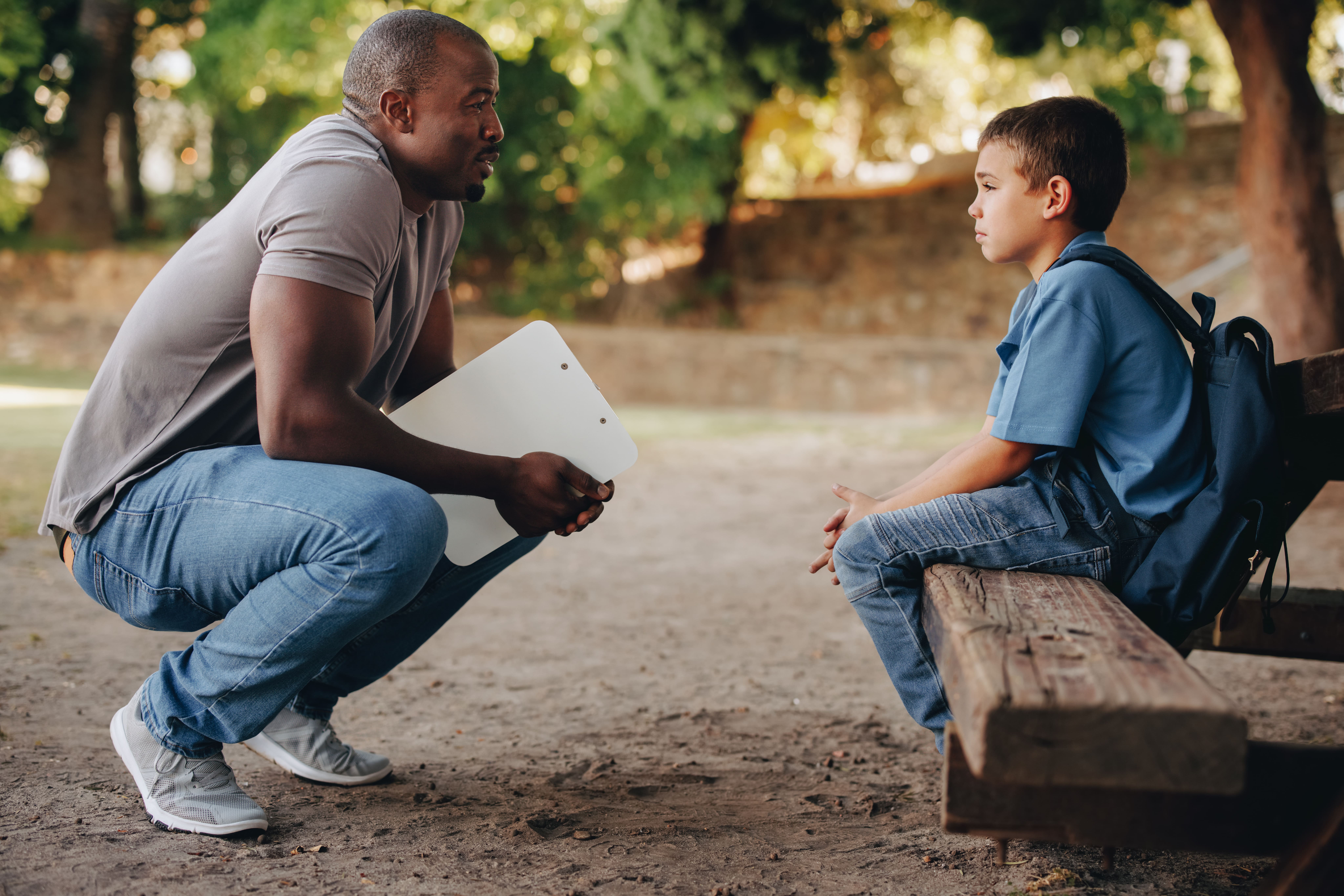
Disruptive behavior in the classroom can be challenging, but it often stems from underlying emotional dysregulation. When students struggle to manage their emotions, their ability to focus and participate in learning is compromised. Teachers play a crucial role in guiding students back to a calm and engaged state. By using a structured three-step process, educators can address disruptive behavior effectively while fostering emotional resilience and a positive classroom environment.
Step 1: Recognize and Regulate
Before a student can re-engage in learning, they must first regain emotional control. Disruptive behavior is often a signal of distress, frustration, or overstimulation. Teachers should focus on de-escalation techniques to help students regulate their emotions. Staying calm and composed is crucial in these situations, as students often mirror the energy and tone of the adults around them. By maintaining a neutral and supportive demeanor, teachers can help prevent further escalation. Additionally, acknowledging the student’s emotions can create an atmosphere of understanding. Simple verbal affirmations such as, “I see that you’re frustrated. Let’s take a moment,” can validate their feelings and ease tension.
Providing students with an opportunity to reset is also beneficial. Some students may need a short sensory break, deep breathing exercises, or access...
Read more: Guiding Students from Disruption to Engagement: A 3-Step Classroom Strategy
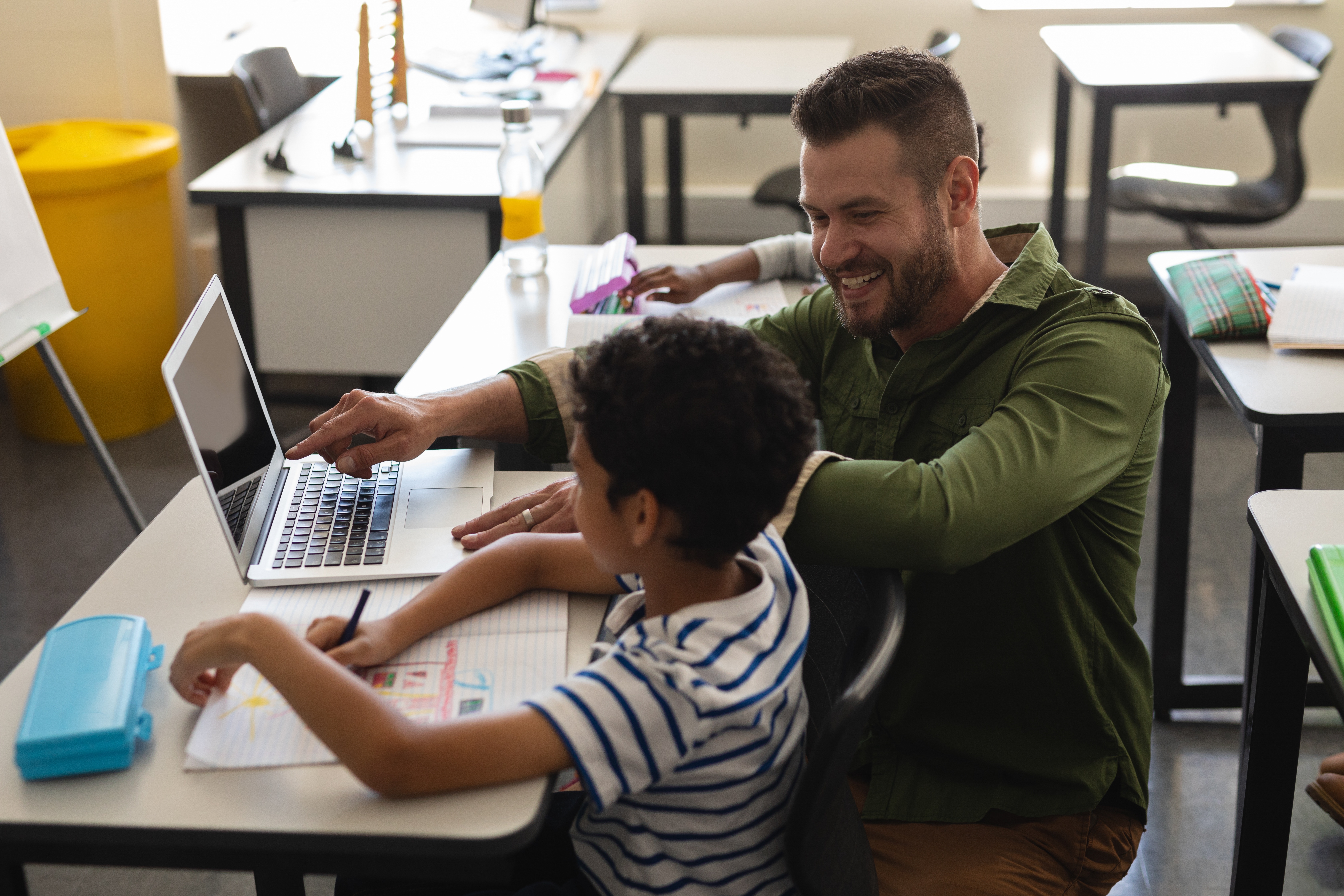
In today’s digital age, technology is essential for enhancing the educational experience. Private, charter, and independent schools, while offering unique and innovative learning environments, face specific technological challenges that require careful consideration. Addressing these concerns through proper support and education can help dissolve many of these worries and ensure that technology serves as an asset rather than an obstacle.
1. Cybersecurity and Data Privacy
Cybersecurity is a significant concern for schools as they store vast amounts of sensitive student and faculty data. The rise in cyber threats, including ransomware attacks, phishing scams, and unauthorized access to records, makes it imperative for schools to prioritize security. Many schools also struggle with compliance with data protection regulations, such as the Family Educational Rights and Privacy Act (FERPA) and the Children's Online Privacy Protection Act (COPPA), which add further complexity to data management. A single security breach can compromise student safety, lead to identity theft, and erode trust within the school community. Additionally, some schools lack the necessary cybersecurity training for staff and students, leaving them vulnerable to digital threats.
To combat these risks, schools should invest in encrypted databases, multi-factor authentication, and regular cybersecurity audits. Teachers and staff must undergo training on...
Read more: Navigating Tech Challenges in Private, Charter, and Independent Schools

In today’s digital learning environment, technology plays a crucial role in shaping the classroom experience. Selecting the right educational technology (EdTech) tools can significantly enhance student engagement, streamline administrative tasks, and create a cohesive learning ecosystem. At a CDW-led webinar, K–12 experts shared their insights on how various technologies can work together to optimize the classroom experience for both teachers and students.
The Need for a Unified Classroom Ecosystem
A fragmented approach to classroom technology can lead to inefficiencies, frustration, and lost learning opportunities. Many schools and educators struggle with managing multiple platforms that do not seamlessly integrate with one another, creating unnecessary complexity. When systems are not unified, students may face difficulties accessing materials, teachers may struggle with inconsistent workflows, and administrators may lack centralized data insights. A well-integrated system ensures that students, teachers, and administrators have seamless access to the resources they need, allowing for a more effective and engaging learning environment.
A unified EdTech ecosystem promotes collaboration, simplifies workflows, and enhances the overall educational experience. When learning tools complement one another, teachers can save time on administrative tasks, spend more time on direct instruction, and provide personalized learning experiences for students. By selecting tools that work well...

In recent years, cyberattacks targeting schools have surged, leaving institutions scrambling to restore services, protect sensitive data, and strengthen their digital defenses. Schools store a wealth of personal and financial data, making them attractive targets for cybercriminals. However, some school districts have successfully navigated these challenges and emerged with more robust cybersecurity frameworks. Here, we explore key lessons from their experiences to help fortify your school networks after a cyberattack.
Immediate Response and Recovery
The first few hours following a cyberattack are crucial in determining the extent of the damage and the speed of recovery. Schools that have successfully mitigated cyber threats emphasize the importance of a well-coordinated incident response plan. One of the first steps is to contain the attack by disconnecting affected systems from the network to prevent further spread. Cybercriminals often exploit weak points in network security to move laterally across an organization’s infrastructure, so swift isolation is essential. Network segmentation, where different parts of the system operate independently, is an effective strategy that ensures a breach in one area does not compromise the entire system.
Engaging cybersecurity experts early in the process can significantly accelerate recovery efforts. Whether through in-house specialists, managed security service providers (MSSPs),
Read more: Cyber-Attack Aftermath: How Schools Can Rebuild and Strengthen Their Networks
- Empowering Student Learning: How EdTech Tools Enable Differentiation and Choice
- Beyond Brain Breaks: How ‘Would You Rather’ Questions Foster Higher-Order Thinking in the Classroom
- Cultivating a Thriving School Culture: The Profound Impact of Small Interactions
- Empowering Multilingual Students: Strategies for Learning Content and English Together