
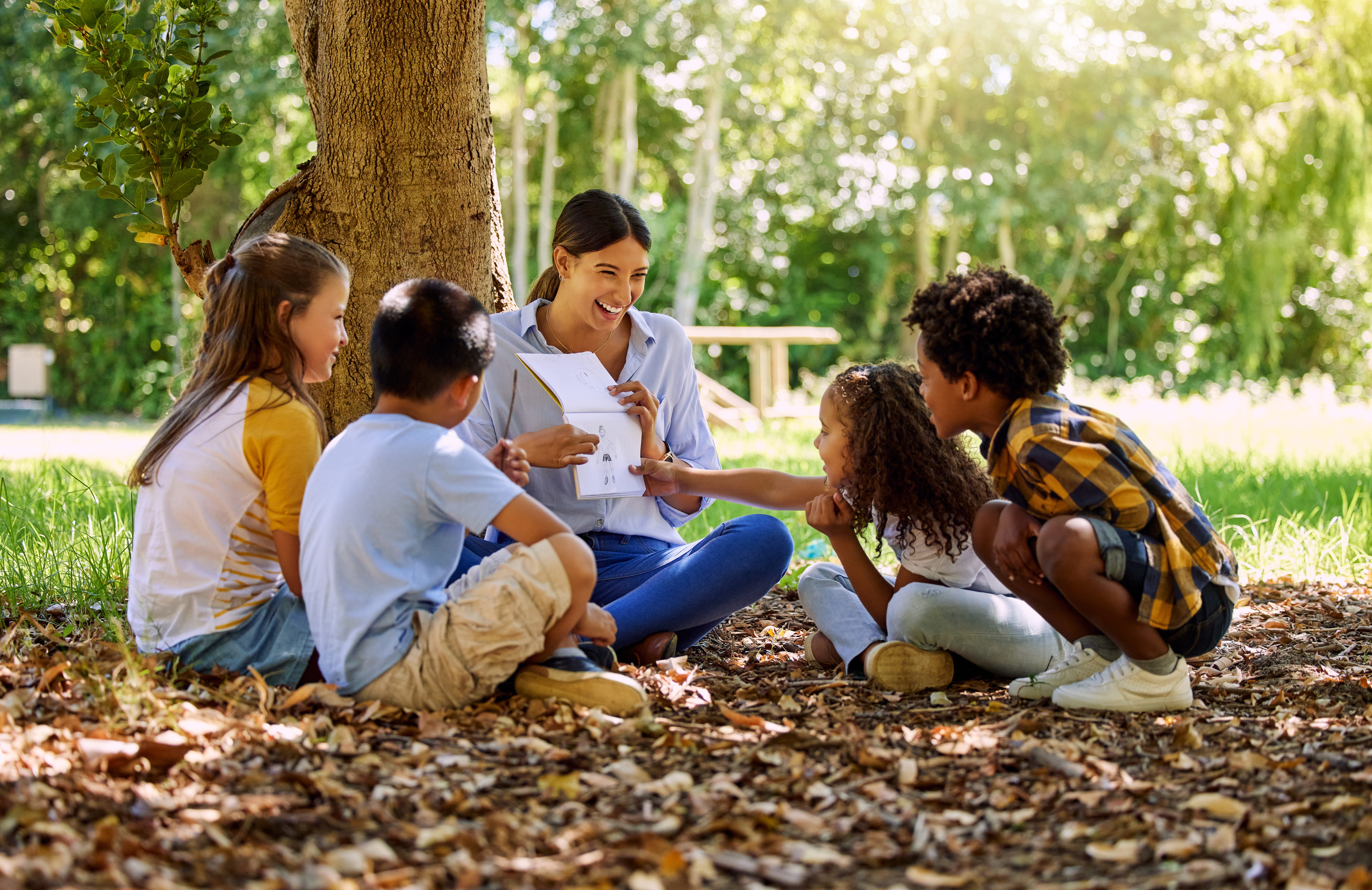
In early childhood education, the development of executive function skills plays a foundational role in shaping a child’s ability to succeed both academically and socially. Executive function refers to a set of cognitive processes that include working memory, cognitive flexibility and inhibitory control. These skills allow children to plan, focus attention, remember instructions and manage their behavior in purposeful ways. While these abilities can be nurtured through structured classroom activities, an often underutilized yet highly effective approach lies just beyond the classroom walls. Taking preschool students outside on a regular basis offers a dynamic and enriching environment that naturally supports the development of executive function.
Understanding Executive Function in Early Childhood
Executive function begins developing in the early years of life and continues to mature into early adulthood. During the preschool years, children are especially receptive to experiences that strengthen these cognitive processes. At this stage, learning is deeply connected to exploration, play and sensory engagement. Young children are not simply absorbing information but are actively constructing understanding through interaction with their environment.
Traditional classroom settings, while important for structure and instruction, can sometimes limit opportunities for spontaneous problem solving and independent decision making. In contrast, outdoor environments provide a less restrictive setting where children can engage in self-directed activities that challenge their thinking and behavior in meaningful ways. This natural interplay between the child and their surroundings becomes a powerful catalyst for developing executive function.
The Role of Outdoor Environments in Cognitive Development
Outdoor spaces present a rich and varied landscape that encourages curiosity and exploration. Unlike indoor environments, which are often predictable and controlled, the outdoors introduces elements of variability and complexity. Weather changes, uneven terrain, natural obstacles and open-ended materials such as sticks, stones and leaves create countless opportunities for children to think critically and adapt their actions.
For example, when a child navigates a muddy patch or attempts to balance on a log, they are engaging in planning and problem solving. They must assess the situation, consider possible actions and adjust their approach based on feedback. These experiences strengthen cognitive flexibility and build resilience. Similarly, group play outdoors often involves negotiating roles, following rules and managing emotions, all of which contribute to the development of inhibitory control and social awareness.
Supporting Working Memory Through Outdoor Play
Working memory allows children to hold and manipulate information over short periods of time. This skill is essential for following multi-step instructions, completing tasks and engaging in complex play. Outdoor activities naturally encourage the use of working memory in ways that feel engaging rather than forced.
When children participate in games such as scavenger hunts or follow-the-leader, they must remember instructions and apply them in real time. Even simple activities like collecting specific types of leaves or building a structure using natural materials require children to keep goals in mind while adapting to changing conditions. These experiences strengthen neural pathways associated with memory and attention, helping children become more capable learners.
Enhancing Cognitive Flexibility in Natural Settings
Cognitive flexibility refers to the ability to shift thinking and adapt to new situations. This skill is particularly important in early childhood, as young learners frequently encounter new experiences that require them to adjust their understanding. Outdoor environments are inherently unpredictable, making them ideal for fostering flexibility.
For instance, a planned activity may need to change due to weather conditions, or a child’s initial idea for building a structure may not work as expected. In these moments, children are encouraged to rethink their approach and try alternative strategies. This process of trial and error not only builds problem solving skills but also fosters a growth mindset. Children learn that challenges are opportunities for learning rather than obstacles to success.
Integrating Outdoor Learning Into the Curriculum
Incorporating outdoor experiences into early childhood education does not require a complete overhaul of the curriculum. Instead, it involves a thoughtful integration of outdoor activities that align with learning objectives. Educators can design lessons that extend classroom concepts into the natural environment, creating a seamless connection between indoor and outdoor learning.
For example, a lesson on patterns can be reinforced by having children identify patterns in nature, such as the arrangement of leaves or the shapes of clouds. Storytelling activities can take place outdoors, where children draw inspiration from their surroundings. Science concepts such as weather, plants and animals become more tangible when explored in real contexts. By embedding outdoor experiences into daily routines, educators can create a balanced approach that supports both academic and developmental goals.
The Role of Educators and Caregivers
The success of outdoor learning initiatives depends largely on the attitudes and practices of educators and caregivers. Creating a supportive environment requires careful planning, clear expectations and a willingness to embrace flexibility. Educators must be prepared to observe and respond to children’s interests, allowing learning to emerge organically.
Professional development and training can help educators understand the connection between outdoor play and executive function. By recognizing the value of these experiences, educators can advocate for policies and practices that prioritize time outside. Caregivers also play a vital role by encouraging outdoor activities at home and reinforcing the skills children develop in school.
Addressing Challenges and Misconceptions
Despite the clear benefits, some educators and caregivers may have concerns about taking young children outside regularly. These concerns often relate to safety, weather conditions or the perception that outdoor play is less educational than structured classroom activities. Addressing these misconceptions is essential for creating a culture that values outdoor learning.
With proper planning and supervision, outdoor environments can be safe and enriching spaces for children. Appropriate clothing and flexible scheduling can help manage weather related challenges. Most importantly, it is essential to recognize that learning does not only occur through direct instruction. Play based experiences, particularly in natural settings, provide meaningful opportunities for cognitive and social development.
Conclusion
Taking preschool students outside is more than a recreational activity. It is a powerful educational strategy that supports the development of executive function skills essential for lifelong success. Through exploration, play and interaction with the natural world, children develop the ability to think critically, adapt to new situations and regulate their behavior. By integrating outdoor experiences into early childhood education, educators can create a more holistic and effective learning environment that nurtures both the mind and the body.