
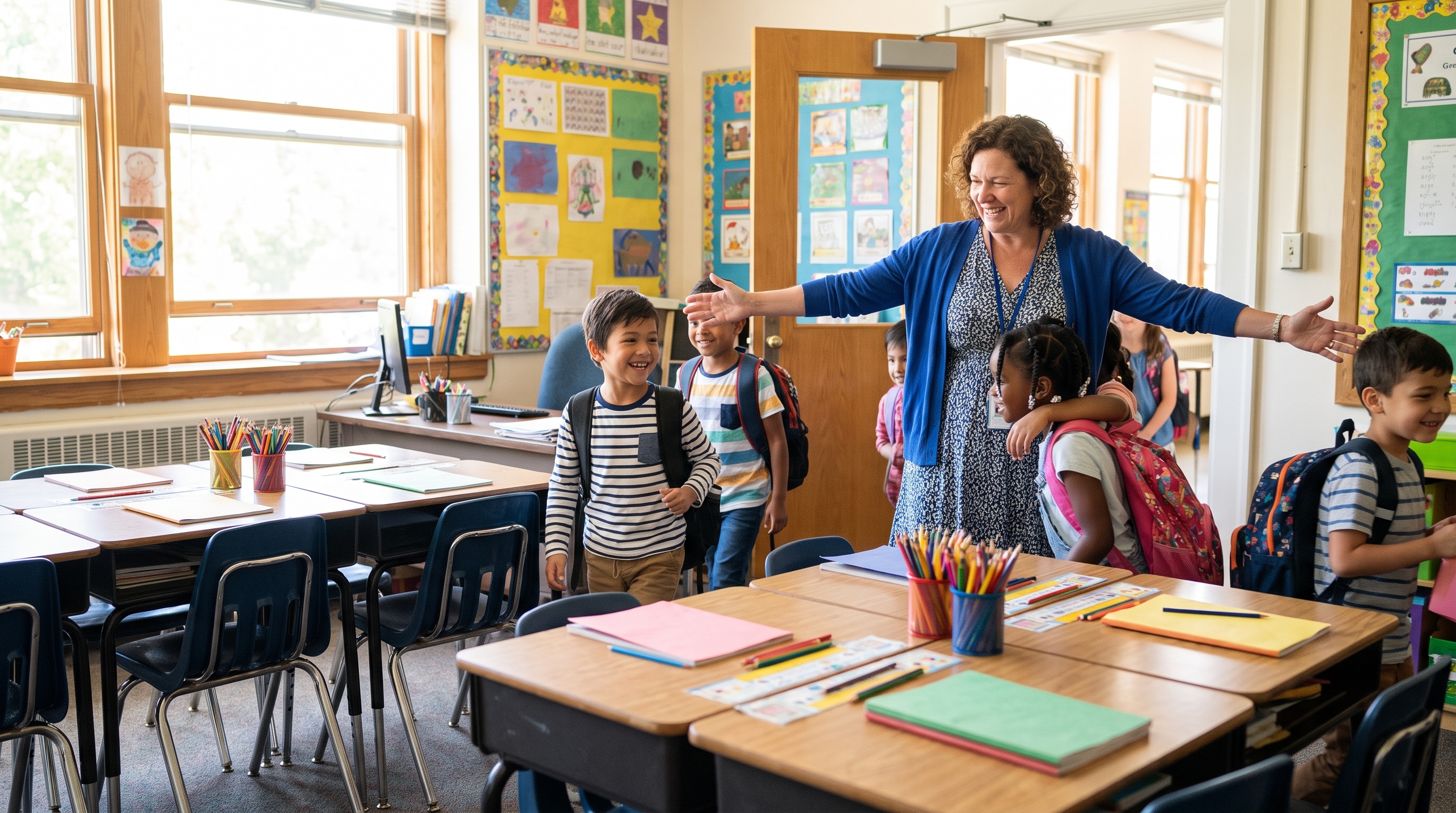
The physical environment of a classroom plays a powerful role in shaping how students learn, interact, and feel about their educational experience. While curriculum and teaching strategies are often at the forefront of educational planning, classroom design is equally significant in fostering engagement, comfort, and academic success. A thoughtfully designed classroom does more than organize space; it creates an atmosphere that encourages curiosity, collaboration, and focus. By making intentional decisions about layout, lighting, color, and resources, educators can transform their classrooms into environments that actively support student learning.
Understanding the Connection Between Environment and Learning
Students spend a substantial portion of their day in classrooms, making the environment a critical factor in their cognitive and emotional development. Research has shown that well-designed spaces can improve concentration, reduce stress, and enhance overall academic performance. When students feel comfortable and supported in their surroundings, they are more likely to participate actively and engage deeply with the material.
A supportive classroom environment also accommodates diverse learning styles. Some students thrive in collaborative settings, while others need quiet spaces for independent work. Designing a classroom with flexibility in mind ensures that all students have opportunities to learn in ways that suit their individual needs.
Optimizing Classroom Layout for Functionality and Flow
The arrangement of furniture and learning zones has a direct impact on how students interact with each other and with the teacher. A classroom layout should prioritize accessibility, movement, and visibility. Clear pathways allow both students and teachers to move freely, reducing disruptions and maintaining a sense of order.
Flexible seating arrangements can encourage collaboration and adaptability. Grouped desks facilitate teamwork and discussion, while individual seating supports focused tasks and assessments. Teachers may also consider creating designated areas for different activities, such as reading corners, discussion spaces, and quiet zones. These defined spaces help students transition between tasks more effectively and understand the purpose of each area.
Maintaining visibility is equally important. Teachers should be able to observe all students easily, and students should have an unobstructed view of instructional materials. This ensures that learning remains inclusive and that all students feel connected to the classroom experience.
The Role of Lighting in Enhancing Learning
Lighting is often an overlooked aspect of classroom design, yet it has a profound influence on student well-being and performance. Natural light is particularly beneficial, as it has been linked to improved mood, better focus, and increased productivity. Classrooms that maximize access to daylight create a more inviting and energizing atmosphere.
When natural light is limited, artificial lighting should be carefully selected to reduce glare and eye strain. Soft, evenly distributed lighting is preferable to harsh or flickering lights. Adjustable lighting options can also be useful, allowing teachers to modify brightness levels based on the activity, whether it is a focused reading session or a dynamic group discussion.
Choosing Colors That Promote Focus and Creativity
Color psychology plays a subtle yet important role in influencing student behavior and emotions. Neutral tones such as soft whites, beiges, and light grays create a calm and balanced environment, helping students feel at ease. These colors can serve as a foundation, allowing brighter accents to add energy and interest without overwhelming the space.
Strategic use of color can also support different learning objectives. For instance, shades of blue are often associated with concentration and calmness, making them suitable for study areas. Warmer tones like yellow can stimulate creativity and positivity when used sparingly. The key is to strike a balance that maintains visual interest while avoiding excessive stimulation.
Creating a Stimulating Yet Organized Visual Environment
Visual elements in the classroom should be both engaging and purposeful. Educational displays, such as charts, student work, and reference materials, can reinforce learning and provide ongoing support. However, overcrowding the walls with too much information can lead to distraction and cognitive overload.
An effective classroom design balances stimulation with simplicity. Displays should be updated regularly to reflect current topics and student achievements. Highlighting student work not only personalizes the space but also fosters a sense of pride and ownership.
Integrating Technology Thoughtfully
Technology has become an integral part of modern education, and classroom design should reflect its role in supporting learning. Devices such as interactive boards, tablets, and computers should be integrated in a way that enhances instruction without dominating the environment.
Placement of technological tools should ensure visibility and accessibility for all students. Charging stations, cable management, and storage solutions should be carefully planned to maintain a clean and organized space. Additionally, teachers should consider how technology aligns with their instructional goals, ensuring that it serves as a tool for engagement rather than a distraction.
Fostering a Sense of Belonging and Emotional Safety
A classroom that supports learning must also nurture students’ emotional well-being. Creating a welcoming and inclusive atmosphere helps students feel valued and respected. Personal touches, such as displaying student names, incorporating cultural elements, or allowing students to contribute to the design of the space, can strengthen this sense of belonging.
Comfortable spaces for relaxation or reflection can also be beneficial, particularly for younger students or those who may need a moment to regroup. These areas signal that emotional needs are recognized and supported, contributing to a more positive learning environment.
Establishing clear routines and expectations further enhances emotional safety. When students understand how the classroom operates, they are more likely to feel secure and confident in their ability to participate.
Maintaining Flexibility for Evolving Needs
Classroom design should not be static. As teaching methods evolve and student needs change, the environment should adapt accordingly. Regular reflection on what is working and what can be improved allows educators to refine their classroom design over time.
Simple adjustments, such as rearranging furniture or updating resources, can have a significant impact. Involving students in this process can also provide valuable insights and increase their sense of ownership. A dynamic classroom environment reflects a commitment to continuous improvement and responsiveness to student needs.
Conclusion
Designing a classroom that supports student learning requires thoughtful consideration of both physical and emotional factors. From layout and lighting to color and technology, each element contributes to the overall effectiveness of the learning environment. By creating spaces that are comfortable, flexible, and engaging, educators can enhance student focus, participation, and well-being. Through intentional design, educators can create environments that not only support academic achievement but also foster a lifelong love of learning.