
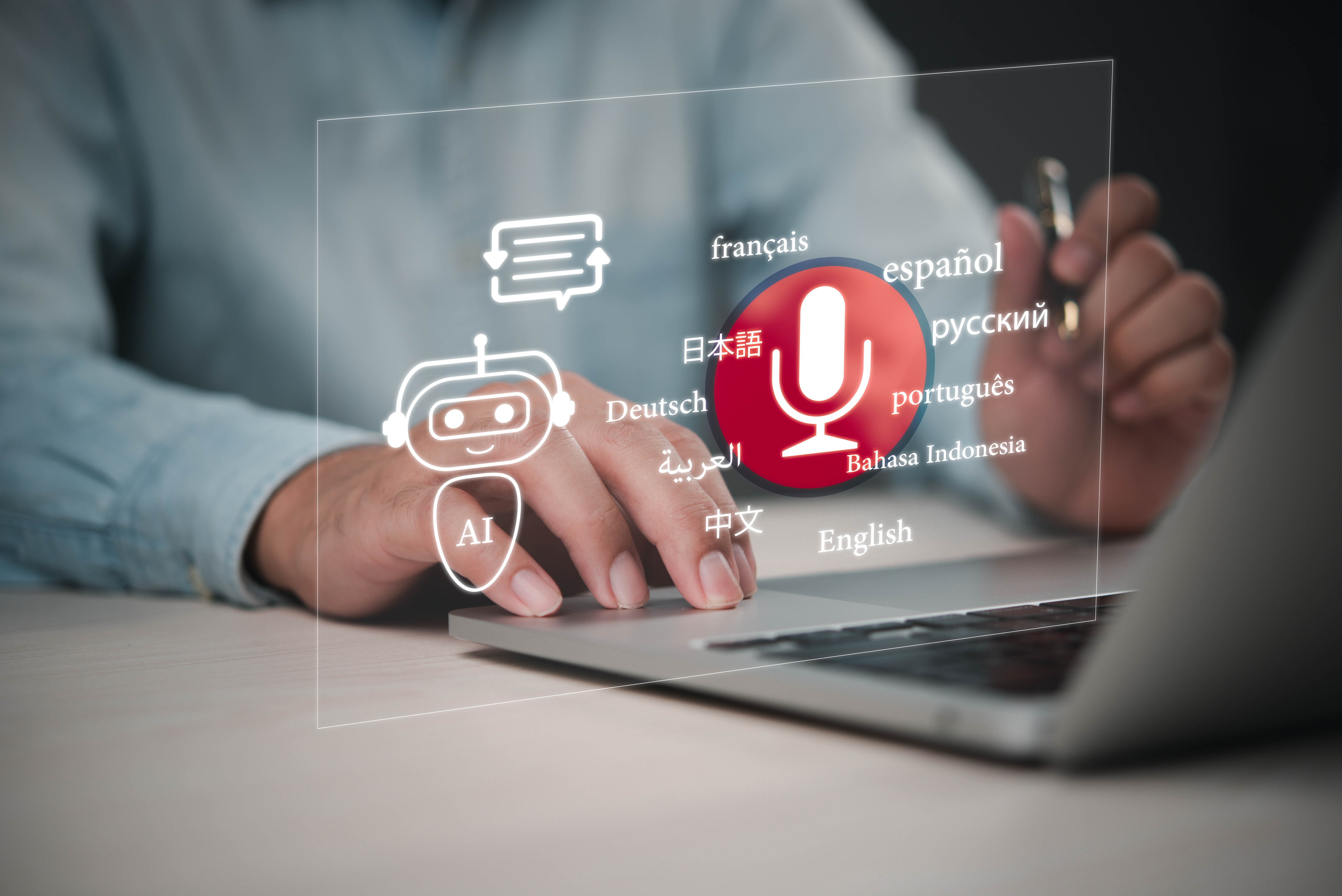
Reliable communication has always been one of the most persistent challenges in K–12 education. In increasingly diverse school communities, students and families often speak a wide range of home languages. While this linguistic diversity enriches classrooms culturally and intellectually, it can also create barriers that affect academic progress, family engagement, and student well-being. When students struggle to fully understand classroom instruction or when families cannot access important school information, the consequences are significant.
Advances in artificial intelligence are beginning to transform this landscape. AI-powered translation tools are making real-time, accessible communication more achievable than ever before. As these technologies become more reliable and widely adopted, they are opening new doors for students, families, and schools.
Supporting Student Learning in the Classroom
In the classroom, language access is directly tied to academic opportunity. Students who are developing proficiency in the language of instruction often face the dual challenge of learning new content while simultaneously acquiring a new language. Even when they possess strong prior knowledge, limited language comprehension can hinder participation, confidence, and performance.
AI translation tools can provide immediate support. Teachers can translate instructions, assignments, and feedback into students’ home languages with greater speed and ease. Students can use translation tools to clarify unfamiliar vocabulary, review complex concepts, and better understand expectations. While translation technology is not a substitute for comprehensive language development programs, it can serve as an important scaffold that supports comprehension in the moment.
Importantly, AI translation can also foster independence. Rather than waiting for assistance, students can access meaning quickly and continue engaging with the lesson. This immediacy reduces frustration and supports active participation. When students feel that they understand what is happening in the classroom, they are more likely to contribute, ask questions, and take academic risks.
Teachers benefit as well. They can design more inclusive learning environments without requiring advanced proficiency in multiple languages. AI tools enable educators to differentiate instruction more efficiently, ensuring that language barriers do not prevent students from demonstrating their knowledge and skills.
Strengthening Family Engagement
Effective schools recognize that family engagement is a cornerstone of student success. Yet meaningful engagement depends on clear and consistent communication. When families cannot read school newsletters, policy updates, or teacher messages, they may feel disconnected from their child’s education.
AI translation is helping to address this disconnect. Schools can now translate emails, text messages, report cards, and announcements quickly and at scale. Parents can receive timely information in a language they understand, allowing them to respond promptly and participate more actively in school life.
This shift is particularly important during critical moments such as parent teacher conferences, individualized education plan meetings, or discussions about academic progress. While human interpreters remain essential for nuanced conversations, AI translation tools can facilitate preliminary communication and scheduling, ensuring that no family is excluded from important discussions.
The impact extends beyond logistics. When families receive communication in their home language, they experience a sense of respect and inclusion. This recognition affirms their role as partners in education. As trust grows, families are more likely to attend school events, support learning at home, and advocate for their children’s needs.
Enhancing Schoolwide Communication and Equity
At the institutional level, AI translation supports more equitable access to information. School policies, safety procedures, and academic guidelines should be accessible to all members of the community. Historically, schools have had to prioritize translation for the most commonly spoken languages, sometimes leaving smaller language groups with limited access.
AI-powered systems can translate documents into a broader range of languages more efficiently than traditional methods alone. This expanded capacity promotes fairness and inclusion. Students and families who speak less commonly represented languages gain access to the same information as their peers.
In emergency situations, timely communication is especially critical. Weather closures, health updates, or safety alerts must reach families immediately. AI translation allows schools to disseminate messages rapidly across multiple languages, reducing confusion and ensuring that all families receive essential information at the same time.
This capacity contributes to a stronger sense of community. When every family is informed and included, schools function more cohesively and transparently.
Addressing Concerns About Accuracy and Responsibility
Despite its promise, AI translation is not without limitations. Accuracy can vary depending on context, idiomatic language, and technical vocabulary. Misinterpretations may occur, particularly in complex or emotionally sensitive communications. For this reason, schools must approach AI translation thoughtfully and responsibly.
Human oversight remains crucial. Educators should review translated materials when possible, especially for high stakes documents. Professional interpreters and bilingual staff continue to play an essential role in ensuring accuracy and cultural sensitivity. AI tools should be viewed as complements rather than replacements for human expertise.
Data privacy is another important consideration. Schools must ensure that any technology they adopt complies with student privacy regulations and protects confidential information. Transparent policies and careful vendor selection are essential steps in responsible implementation.
When integrated carefully, AI translation can enhance rather than undermine communication quality. Ongoing professional development can help educators understand both the capabilities and the limitations of these tools.
Empowering Multilingual Identity
Beyond practical benefits, AI translation also sends a powerful message about the value of multilingualism. When schools invest in tools that support diverse languages, they affirm that linguistic diversity is an asset rather than a problem to be solved.
Students who see their home languages acknowledged in school communications are more likely to feel seen and respected. This affirmation supports social and emotional development. It reinforces the idea that their identities are welcome within academic spaces.
Moreover, AI translation can encourage cross cultural exchange. Students can explore content in multiple languages, collaborate across linguistic differences, and gain global perspectives. In an increasingly interconnected world, these skills are invaluable.
By reducing language barriers, schools can shift the focus from remediation to empowerment. Rather than viewing multilingual students through a deficit lens, educators can recognize and cultivate their strengths.
Conclusion
The integration of AI translation into K–12 education represents a meaningful step toward greater equity and inclusion. While challenges remain, the potential benefits are substantial. Faster communication, improved comprehension, stronger family engagement, and broader access to information all contribute to more effective learning environments.
As technology continues to evolve, schools have an opportunity to rethink how they approach language access. The goal is not simply to translate words, but to build understanding and connection. When communication flows freely between students, families, and educators, barriers begin to dissolve.