
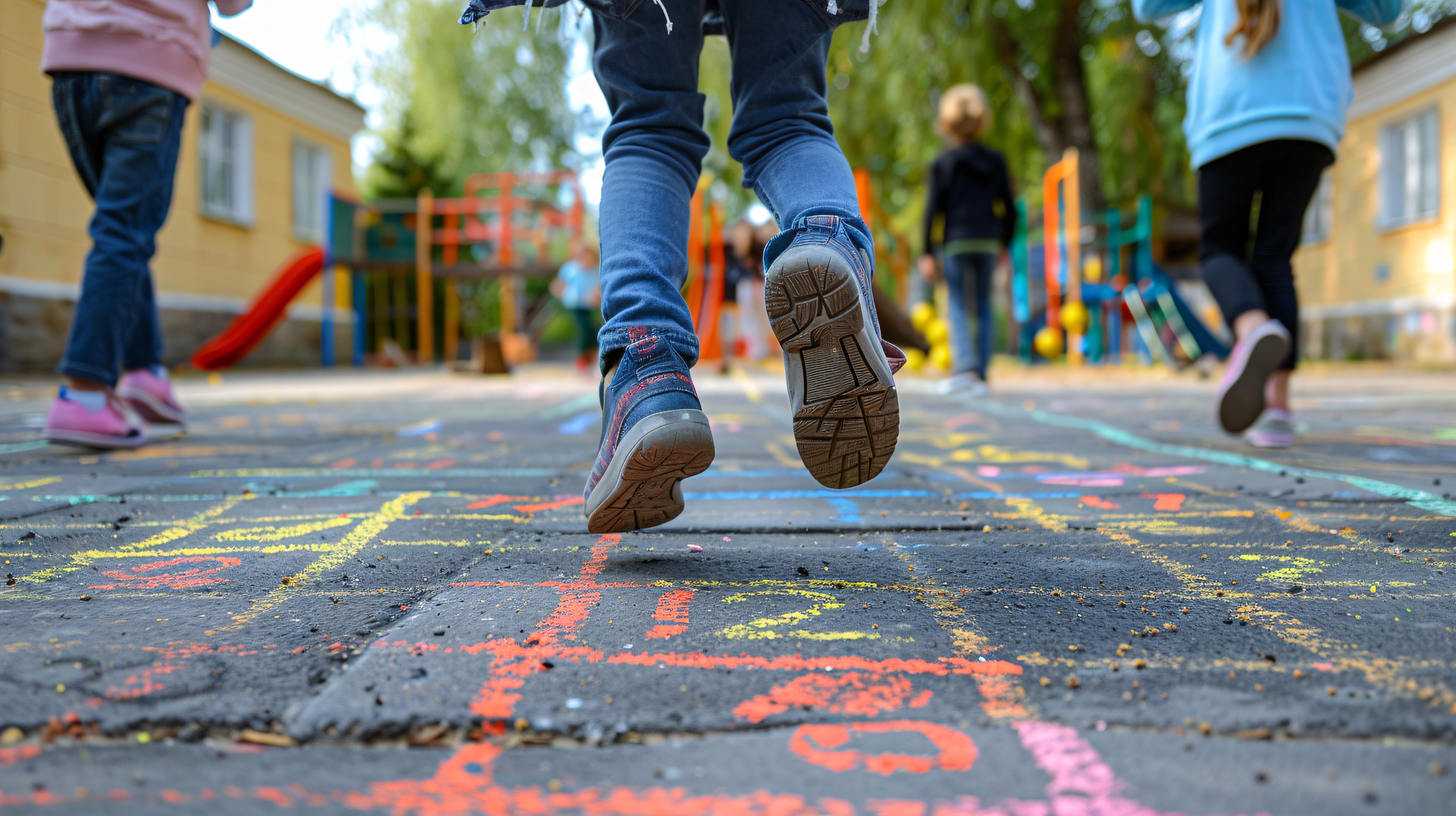
Across school systems worldwide, academic pressure has steadily increased. Longer instructional hours, frequent assessments, and an emphasis on measurable outcomes have reshaped what a “productive” school day looks like. In this environment, recess is often treated as something that can be shortened, structured, or removed altogether to make room for more “serious” learning. Play is not a break from development; it is a core driver of it. When children are given time to move freely, interact socially, and engage in unstructured activity, they regulate stress more effectively, build resilience, and return to the classroom better prepared to focus. In this sense, recess is not a luxury or a reward for good behavior. It is an essential component of a healthy and effective education system.
The Hidden Stress Burden on Children
While stress is often discussed in the context of adult work life, children today experience significant and often underestimated levels of pressure. Academic expectations begin early, with standardized testing, homework loads, and performance comparisons shaping students’ daily experiences.
Beyond academics, children also navigate social dynamics, digital exposure, family expectations, and, in many cases, economic uncertainty at home. The cumulative effect of these pressures can manifest as anxiety, irritability, attention difficulties, and behavioral challenges in the classroom. Recess offers a natural and developmentally appropriate counterbalance. Physical movement, laughter, imaginative play, and social interaction all help lower cortisol levels and restore a sense of emotional equilibrium.
Recess as a Foundation for Cognitive Performance
One of the most persistent myths in education is that more instructional time automatically leads to better academic outcomes. In reality, attention and cognitive stamina are finite, especially for young learners. Without regular breaks, students’ ability to absorb, process, and retain information declines. Recess acts as a cognitive reset. By stepping away from structured tasks, students allow their brains to recover from sustained concentration.
Neuroscience supports this dynamic. Periods of rest and movement enhance blood flow to the brain, improve mood, and support neural processes associated with learning and memory. When students return from recess, they are often more alert, more engaged, and better able to participate in complex thinking. Teachers frequently observe that lessons following recess are more productive, with fewer disruptions and higher levels of student engagement.
Rather than competing with academics, recess enhances the conditions under which academics can thrive. It is a complementary, not contradictory, element of effective instruction.
Emotional Regulation and Mental Well-Being
Emotional regulation is a skill that children develop gradually through experience, not instruction alone. Recess provides a natural environment for practicing this skill. During play, children encounter excitement, frustration, conflict, cooperation, and joy, often within a short span of time. Navigating these emotions in a low-stakes setting helps children learn how to self-soothe, negotiate, and recover from setbacks.
For students who struggle with anxiety or emotional sensitivity, recess can be particularly therapeutic. Unstructured play allows them to express feelings that may be difficult to articulate in words. Physical activity releases endorphins, which improve mood and reduce stress. Over time, regular recess can contribute to better overall mental health, reducing the likelihood of emotional overload during classroom instruction.
Importantly, when emotional needs are met, behavioral challenges often decrease. Many disciplinary issues arise not from defiance, but from unmet needs for movement, autonomy, or social connection. Recess addresses these needs proactively, creating a more positive school climate for both students and educators.
Social Development Through Play
Schools are not only places of academic learning; they are primary environments for social development. Recess is where many of these social lessons are learned. Through play, children practice communication, cooperation, leadership, and conflict resolution. They learn how to read social cues, take turns, and adapt to group dynamics.
Unlike structured classroom activities, recess allows children to choose their peers and activities. This autonomy fosters a sense of agency and belonging. It also exposes students to diverse social situations, helping them build empathy and social flexibility. For children who may struggle socially in formal settings, recess can offer alternative pathways to connection and confidence.
These social skills are not secondary to academic success. They are foundational. Collaboration, problem-solving, and emotional intelligence are increasingly recognized as critical competencies for lifelong learning and future work environments. Recess provides an early and natural context for developing these abilities.
Physical Health and the Mind-Body Connection
The link between physical activity and mental well-being is well established. Regular movement supports cardiovascular health, motor development, and overall physical fitness. For children, whose bodies are designed for activity, prolonged sitting can be both physically uncomfortable and mentally draining.
Recess encourages movement in ways that are joyful rather than obligatory. Running, climbing, jumping, and imaginative games engage multiple muscle groups and promote coordination. This physical engagement also has direct benefits for mental health. Movement reduces stress, improves sleep quality, and enhances self-esteem. Children who feel physically competent and energized are more likely to approach learning with confidence and curiosity.
In an era where sedentary lifestyles and screen time are increasingly common, recess serves as a vital counterbalance. It reinforces healthy habits and reminds children that movement is a natural and enjoyable part of daily life.
Rethinking School Priorities
The push to maximize instructional time often stems from well-intentioned goals, such as improving test scores or meeting curriculum standards. However, when these goals are pursued at the expense of student well-being, the results can be counterproductive. Burnout, disengagement, and behavioral challenges undermine the very outcomes schools seek to improve.
A more balanced approach recognizes that well-being and learning are deeply interconnected. Recess should be viewed as a strategic investment in student success rather than a dispensable add-on. Schools that prioritize regular, meaningful recess send a powerful message about the value of the whole child.
This shift requires rethinking traditional assumptions about productivity and discipline. It involves trusting that children learn best when their physical, emotional, and social needs are met alongside academic instruction.
Conclusion
In the search for complex interventions to address student stress and declining engagement, recess stands out for its simplicity and effectiveness. It requires no expensive technology, no specialized curriculum, and no extensive training. What it requires is a commitment to honoring children’s developmental needs.
More recess time does not mean less learning. It means better learning, supported by healthier, happier, and more resilient students. When children are given space to play, they return to the classroom not only calmer, but more open to curiosity, collaboration, and growth.