
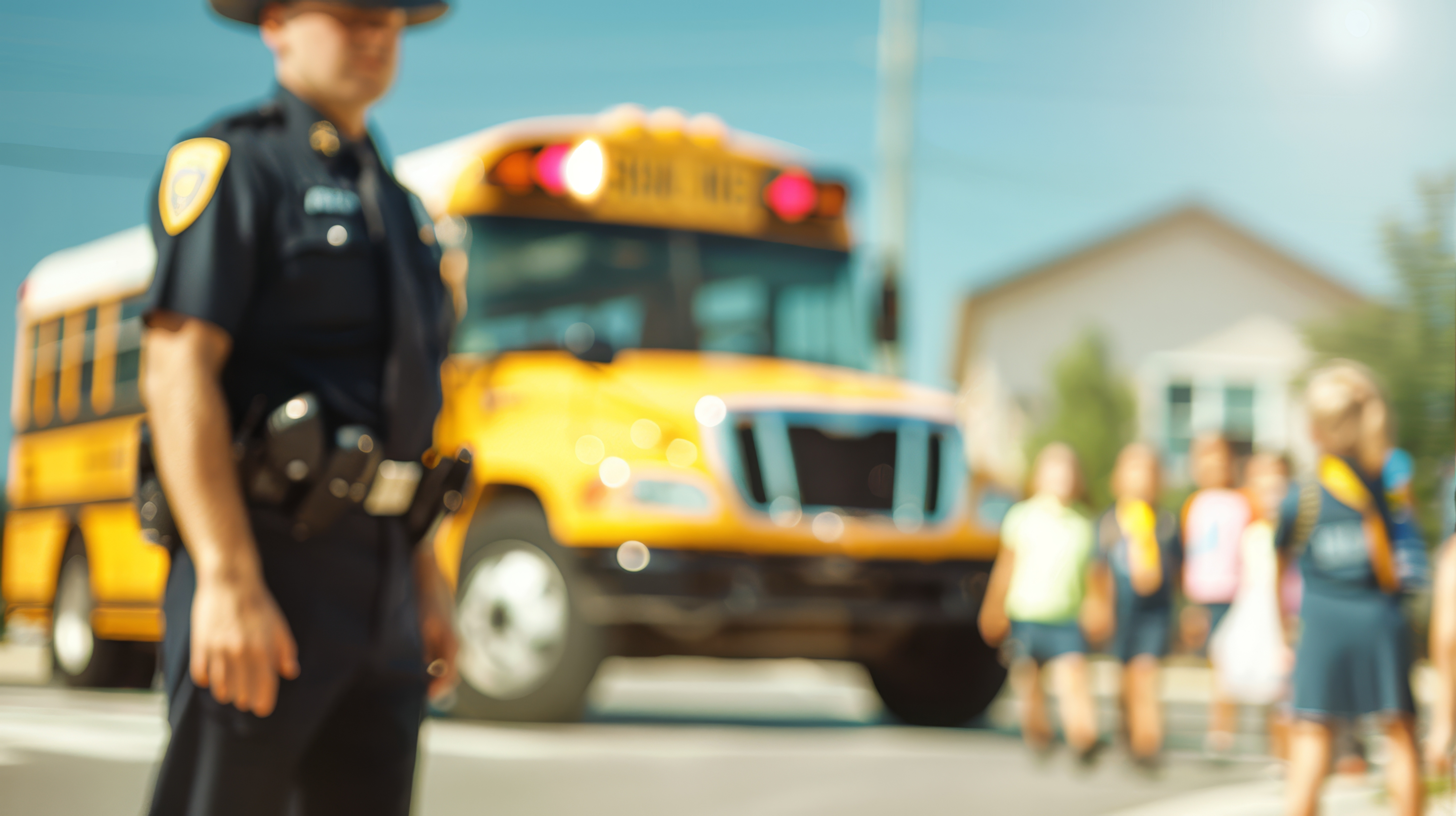
Learning does not end when the final bell rings. For many students, the most meaningful experiences happen after the formal school day through sports practices, arts programs, tutoring sessions, clubs, and community events. These activities support academic growth, social development, and emotional well-being, making after-school programming an essential extension of the K–12 learning environment. However, while schools devote significant attention to safety during regular hours, after-school events often operate with fewer safeguards, different staffing structures, and more open access to campus spaces. This gap calls for a thoughtful reexamination of how security is approached once the school day ends.
Rethinking security for after-school events does not mean turning schools into fortified spaces or creating an atmosphere of fear. Instead, it means recognizing that safety is foundational to learning at all times and designing systems that are proactive, inclusive, and aligned with the unique dynamics of extended-day activities. When security is planned intentionally, it supports participation, builds trust among families, and allows students to engage fully in enriching experiences.
Understanding the Unique Nature of After-School Environments
After-school events differ significantly from the traditional school day. Attendance is often fluid, with students arriving and leaving at different times. Programs may be run by external partners, coaches, volunteers, or community organizations rather than full-time school staff. Families, spectators, and community members may be present on campus, increasing the number of unfamiliar faces. These factors create a more complex security landscape that cannot rely solely on daytime protocols.
Additionally, after-school activities often take place in specific areas of the campus rather than throughout the entire building. Gyms, auditoriums, playgrounds, and specialized classrooms may be in use while other spaces remain empty. Without clear boundaries and monitoring, this can create blind spots where supervision is limited. Effective security planning begins with acknowledging these realities and designing responses that are tailored rather than generic.
Moving From Reactive Measures to Proactive Planning
Traditional approaches to school security have often been reactive, responding to incidents after they occur rather than preventing them. For after-school events, this reactive mindset can be particularly risky due to reduced staffing and oversight. A proactive approach focuses on anticipation, preparation, and consistency.
Proactive security begins with clear policies that define expectations for all participants. This includes guidelines for student supervision, visitor access, emergency procedures, and communication protocols. When these policies are established in advance and communicated clearly, staff and families understand their roles and responsibilities, reducing confusion during critical moments.
Proactive planning also involves regular risk assessments. Schools should periodically evaluate how after-school spaces are used, identify potential vulnerabilities, and adjust procedures accordingly. This process does not need to be burdensome but should be ongoing, reflecting changes in programming, enrollment, and community use.
The Role of People in Creating a Safe After-School Culture
Security is often associated with physical measures such as locks, cameras, and access points, but people remain the most important element of any safety strategy. After-school programs depend heavily on adults who supervise, mentor, and guide students, and their awareness and preparedness are critical.
Training is a key component of people-centered security. Staff members, coaches, and volunteers should receive basic guidance on recognizing concerning behavior, managing access to spaces, and responding to emergencies. This training should be practical and appropriate to their roles, emphasizing awareness rather than enforcement. When adults feel confident in their ability to respond to situations, they are more likely to act quickly and effectively.
Equally important is fostering strong relationships among staff, students, and families. A welcoming environment where people know one another naturally enhances security. When students feel comfortable speaking up and adults are attentive to changes in behavior, potential issues can be addressed before they escalate.
Balancing Access and Control During Community Events
Many after-school events are designed to bring the community into the school. Performances, games, exhibitions, and meetings strengthen school community ties and encourage family engagement. However, increased access also introduces new security considerations. The challenge lies in balancing openness with appropriate control.
Clear entry points and sign-in procedures help schools maintain awareness of who is on campus without creating an unwelcoming atmosphere. Visual identification for staff and volunteers can further support this awareness, allowing students and families to easily recognize trusted adults. Simple measures such as directing visitors to specific areas and limiting access to unused parts of the building can significantly reduce risk.
Emergency Preparedness Beyond Regular School Hours
Emergency planning often focuses on the regular school day, yet incidents can occur at any time. After-school events require the same level of preparedness, adapted to their specific context. Emergency procedures should account for smaller groups, different staff compositions, and the presence of visitors.
Clear plans for medical emergencies, severe weather, lockdowns, and evacuations are essential. These plans should be accessible to all after-school staff and revisited regularly. Practicing scenarios, even informally, helps ensure that adults know how to respond calmly and efficiently.
Communication during emergencies is particularly important after hours. Schools should establish clear lines of communication between after-school staff and school administrators, as well as with local emergency services when necessary. Families should also know how they will be informed if an incident occurs during an event.
Supporting Student Well-Being Through Safe Environments
Security is not only about preventing harm but also about supporting student well-being. After-school programs often provide safe spaces for students to explore interests, build friendships, and develop confidence. When students feel secure, they are more likely to participate fully and take positive risks in their learning.
An environment that prioritizes emotional safety alongside physical safety encourages respect, inclusion, and accountability. Clear expectations for behavior, consistent supervision, and responsive adult support all contribute to a sense of belonging. This holistic approach recognizes that safety and learning are deeply interconnected.
Conclusion
As schools continue to expand learning opportunities beyond the traditional day, the importance of after-school security will only grow. By acknowledging the unique challenges of extended-day programming and committing to proactive, people-centered strategies, schools can create environments where learning truly does not stop at the final bell. Rethinking security in this way affirms a simple but powerful truth. Safety is not an add-on to education but a foundation for it.