
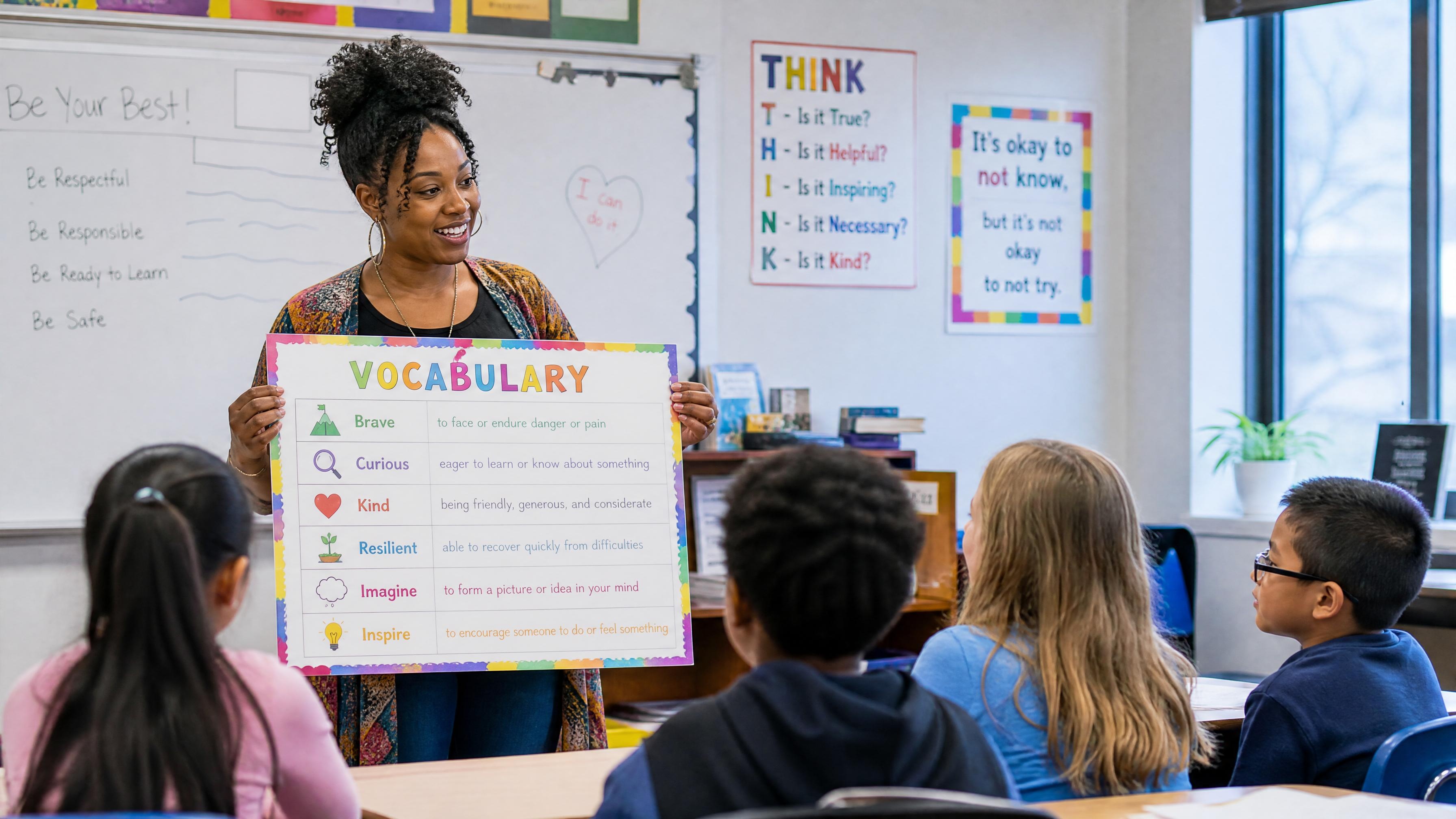
English language arts classrooms are increasingly expected to help students think critically, communicate effectively, and engage meaningfully with complex ideas. While many students enter ELA classes focused on finding the “right answer,” deeper learning happens when they begin questioning, interpreting, and analyzing texts in more thoughtful ways.
Adding depth to ELA lessons does not require completely redesigning instruction. Often, it comes from subtle shifts in questioning, discussion, writing, and classroom culture. When teachers encourage students to move beyond surface-level comprehension, literature becomes more than an academic exercise. It becomes a tool for reflection, exploration, and intellectual growth.
Moving Beyond Simple Recall Questions
Many classroom discussions remain focused on recalling information from a text. Students identify plot points, define vocabulary, or summarize chapters, but these tasks often stop short of deeper analysis.
Depth begins when teachers ask questions that require interpretation rather than memorization. Questions about character motivation, author intent, symbolism, or conflicting perspectives encourage students to think critically about what they read.
Encouraging Multiple Interpretations
Students often assume literature has one hidden meaning that the teacher already knows. This belief can limit creativity and discourage analytical thinking. Teachers can deepen learning by helping students understand that many texts allow for multiple valid interpretations. Different readers bring different experiences, perspectives, and insights to literature.
When students compare interpretations and defend their reasoning with textual evidence, classroom discussions become more intellectually engaging. Students also become more confident expressing their own ideas rather than waiting for teacher approval.
Slowing Down the Reading Process
In many classrooms, the pressure to cover content quickly can prevent students from engaging deeply with texts. Moving too fast often leads to shallow comprehension rather than meaningful analysis.
Slowing down instruction allows students to notice patterns, analyze language choices, and reflect on important moments within a text. Close reading activities encourage learners to examine details they might otherwise overlook.
Taking time to revisit key passages, discuss important scenes, or analyze dialogue helps students develop stronger interpretive skills. Depth often emerges when students are given space to think carefully rather than rushing toward completion.
Creating Rich Classroom Discussions
Discussion is one of the most effective ways to deepen ELA instruction. Thoughtful conversations allow students to explore ideas collaboratively and hear perspectives they may not have considered independently.
However, meaningful discussions require more than asking students to participate. Teachers need to create structures that encourage active listening, evidence-based responses, and respectful disagreement.
When students respond directly to one another instead of speaking only to the teacher, discussions become more authentic and analytical. Over time, students learn how to refine ideas through conversation and engage more thoughtfully with complex topics.
Connecting Literature to Real Life
Students engage more deeply with literature when they see its relevance beyond the classroom. Themes such as identity, justice, power, belonging, and resilience often connect directly to students’ personal experiences and contemporary issues.
Teachers can encourage deeper thinking by helping students draw connections between texts and the real world. Discussions about social issues, historical events, or modern cultural debates allow literature to feel more meaningful and immediate.
Using Writing as a Thinking Tool
Writing should not function only as a final assessment. It can also help students process ideas, clarify interpretations, and explore questions throughout the learning process. Short reflections, analytical journals, and informal responses allow students to develop their thinking before larger assignments or discussions. Writing encourages students to slow down and examine their reasoning more carefully.
Teachers can deepen learning by focusing less on rigid formulas and more on thoughtful analysis. Students should learn how to develop nuanced arguments, support ideas with evidence, and consider multiple perspectives within their writing.
Incorporating Inquiry-Based Learning
Inquiry-based instruction encourages students to investigate meaningful questions rather than simply absorb information. This approach creates more active and intellectually engaging learning experiences.
Instead of beginning lessons with direct explanations, teachers can introduce broad essential questions that guide exploration throughout a unit. Questions such as “What defines courage?” or “How does society shape identity?” encourage students to think critically across multiple texts.
Teaching Students to Analyze Language
Depth in ELA instruction often comes from helping students notice how language shapes meaning. Instead of focusing only on what a text says, students should also examine how it communicates ideas.
Analyzing tone, imagery, figurative language, sentence structure, and word choice encourages students to think more critically about an author’s craft. These discussions help students understand that literary techniques are not random decorations but purposeful choices that influence meaning and emotion.
Integrating Different Types of Texts
ELA instruction becomes richer when students engage with multiple forms of media and writing. Pairing novels with articles, speeches, poetry, podcasts, or visual media creates opportunities for broader analysis and comparison.
For example, students studying themes of inequality in literature might also examine contemporary news articles or historical speeches. These connections encourage students to analyze how similar ideas appear across different contexts and formats.
Supporting Student Voice and Choice
Students are more likely to think deeply when they feel ownership over their learning. Providing opportunities for choice can increase engagement and encourage more authentic responses.
Teachers might allow students to select independent reading materials, choose writing topics, or decide how they want to present their understanding. Even small choices can make learning feel more personal and meaningful.
Building a Classroom Culture of Curiosity
Depth in learning depends heavily on classroom culture. Students need to feel comfortable asking questions, sharing ideas, and exploring uncertainty. Teachers can foster this environment by emphasizing curiosity rather than perfection. When mistakes and evolving interpretations are treated as part of learning, students become more willing to engage critically.
Thoughtful feedback also contributes to this culture. Responses that acknowledge reasoning, creativity, and analytical growth encourage students to continue developing their ideas. A classroom that values inquiry and reflection naturally supports deeper learning experiences.
Conclusion
Adding depth to ELA lessons is ultimately about creating opportunities for students to think more critically, communicate more thoughtfully, and engage more meaningfully with texts. Small instructional shifts can transform classrooms from places focused on finding correct answers into spaces centered on inquiry, interpretation, and reflection. Through stronger discussions, purposeful questioning, thoughtful writing, and meaningful connections, teachers can help students develop analytical skills that extend far beyond literature classrooms.