
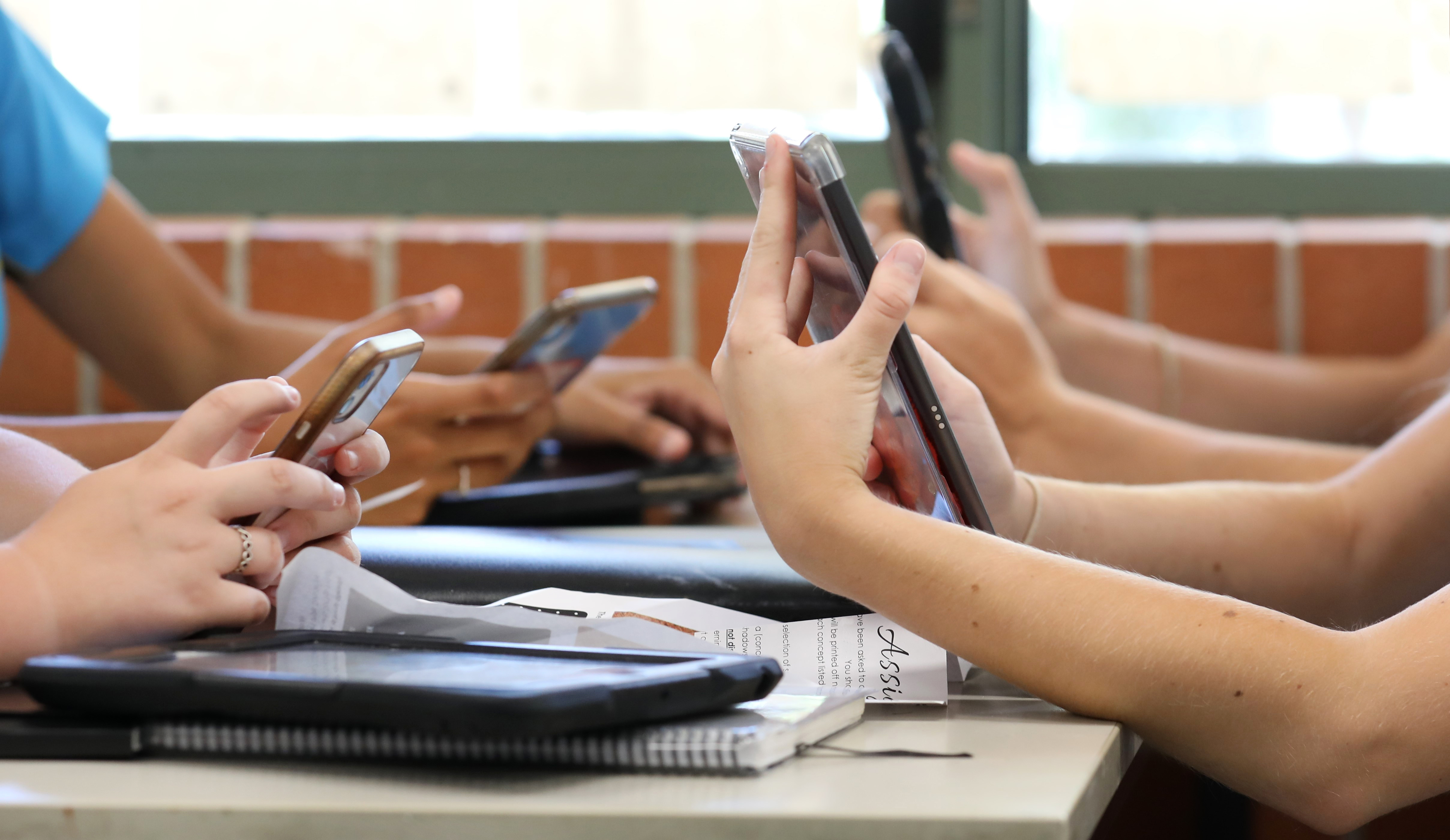
School districts across the country are facing growing pressure to address concerns about student screen time, digital distractions, and the impact of technology on learning. As conversations about banning devices become more common, many educational leaders are searching for solutions that support both student well-being and academic success.
One of the biggest challenges in these discussions is that personal smartphones and school-issued devices are often treated as the same issue. While both involve screens, they serve very different purposes within the educational environment. Understanding this distinction is essential for districts that want to create balanced and effective technology policies.
Why the Device Ban Debate Has Gained Attention
Concerns about technology in schools are not new, but they have become more urgent in recent years. Teachers report that students are increasingly distracted by social media, messaging apps, and online entertainment. Parents worry about excessive screen time and its potential effects on attention, mental health, and social development.
As a result, many communities have called for stricter technology policies or complete device bans. While these concerns are valid, the conversation often becomes overly simplified. Not every device contributes to distraction in the same way, and not every form of screen time serves the same purpose.
Understanding the Difference Between Smartphones and School Devices
Personal smartphones are designed primarily for communication and entertainment. Students can access social media platforms, games, videos, and messaging services at any time. These features can easily divert attention away from classroom instruction.
School-issued devices are fundamentally different. They are typically managed by the district and configured specifically for educational purposes. Students use them to access digital textbooks, complete assignments, participate in classroom discussions, conduct research, and collaborate with peers.
Many districts also implement safeguards such as content filtering, application restrictions, and classroom management tools. These controls help ensure that devices remain focused on learning rather than entertainment.
The Educational Value of School-Issued Devices
Technology has become an important part of modern teaching and learning. Digital tools allow educators to provide personalized instruction, monitor student progress, and offer learning experiences that would be difficult to achieve through traditional methods alone.
Students can access educational resources instantly, receive immediate feedback on assignments, and engage with interactive content that supports deeper understanding. Technology also helps accommodate different learning styles and supports students who may need additional assistance.
Addressing Distractions Without Eliminating Learning Tools
The goal of technology policies should not simply be reducing screen time. Instead, districts should focus on minimizing distractions while preserving the educational benefits that technology provides.
Many schools have successfully implemented policies that restrict personal smartphone use during instructional hours while continuing to allow access to school-issued devices. This approach directly targets the primary source of distraction without disrupting digital learning initiatives.
By establishing clear expectations for when and how devices should be used, districts can create learning environments that support focus and engagement.
The Importance of Digital Citizenship
Technology policies alone cannot solve every challenge related to device use. Students also need guidance on how to use technology responsibly.
Digital citizenship education teaches students how to navigate online environments safely, ethically, and productively. These lessons help students understand topics such as online behavior, privacy, digital communication, media literacy, and responsible decision-making.
As students develop these skills, they become better equipped to manage distractions and make informed choices about technology use. Rather than relying solely on restrictions, schools can help students build habits that support lifelong digital responsibility.
Supporting Teachers in Technology Management
Teachers play a critical role in ensuring that technology enhances learning rather than interrupts it. However, effective device management requires both resources and support.
Many districts now provide classroom management platforms that allow teachers to monitor student activity, share resources, and guide device use during lessons. These tools give educators greater control over the learning environment while reducing opportunities for off-task behavior.
Professional development is equally important. Teachers need training that helps them integrate technology effectively, create engaging digital lessons, and manage potential distractions. When educators feel confident using technology, students are more likely to experience meaningful and productive learning experiences.
Building Strong Partnerships With Parents
Parents are important stakeholders in the device ban debate. Many concerns about technology originate from families who want to ensure that students maintain healthy habits and remain focused on learning.
Districts can build trust by communicating clearly about how school-issued devices are used and what safeguards are in place. Transparency helps parents understand the educational purpose of technology and the measures schools take to prevent misuse.
Collaboration between schools and families also creates greater consistency. When students encounter similar expectations at school and at home, they are more likely to develop responsible technology habits.
Creating Policies That Support Learning
The most effective technology policies are designed around learning goals rather than technology itself. Instead of asking whether devices should be allowed or banned, districts should ask how technology can best support student achievement.
This requires thoughtful planning, clear expectations, and ongoing evaluation. Policies should reflect the needs of students, teachers, and families while remaining flexible enough to adapt as technology continues to evolve.
A successful strategy recognizes that technology is neither inherently beneficial nor inherently harmful. Its impact depends on how it is used and managed within the educational environment.
Looking Beyond the Debate
The conversation surrounding school device bans often presents districts with a false choice between unrestricted technology use and complete prohibition. In reality, there is a more effective middle ground.
By distinguishing between personal smartphones and school-issued devices, districts can address concerns about distraction while continuing to support modern teaching and learning. Combining clear policies, digital citizenship education, teacher support, and family engagement creates a balanced framework for technology use.
Conclusion
The school device ban debate is ultimately about creating the best possible learning environment for students. While concerns about distraction and screen time deserve attention, treating all devices as the same problem can lead to ineffective solutions.
School-issued devices and personal smartphones serve different functions and should be addressed through different policies. Districts that recognize this distinction are better positioned to create balanced approaches that protect student focus while preserving educational opportunities.