
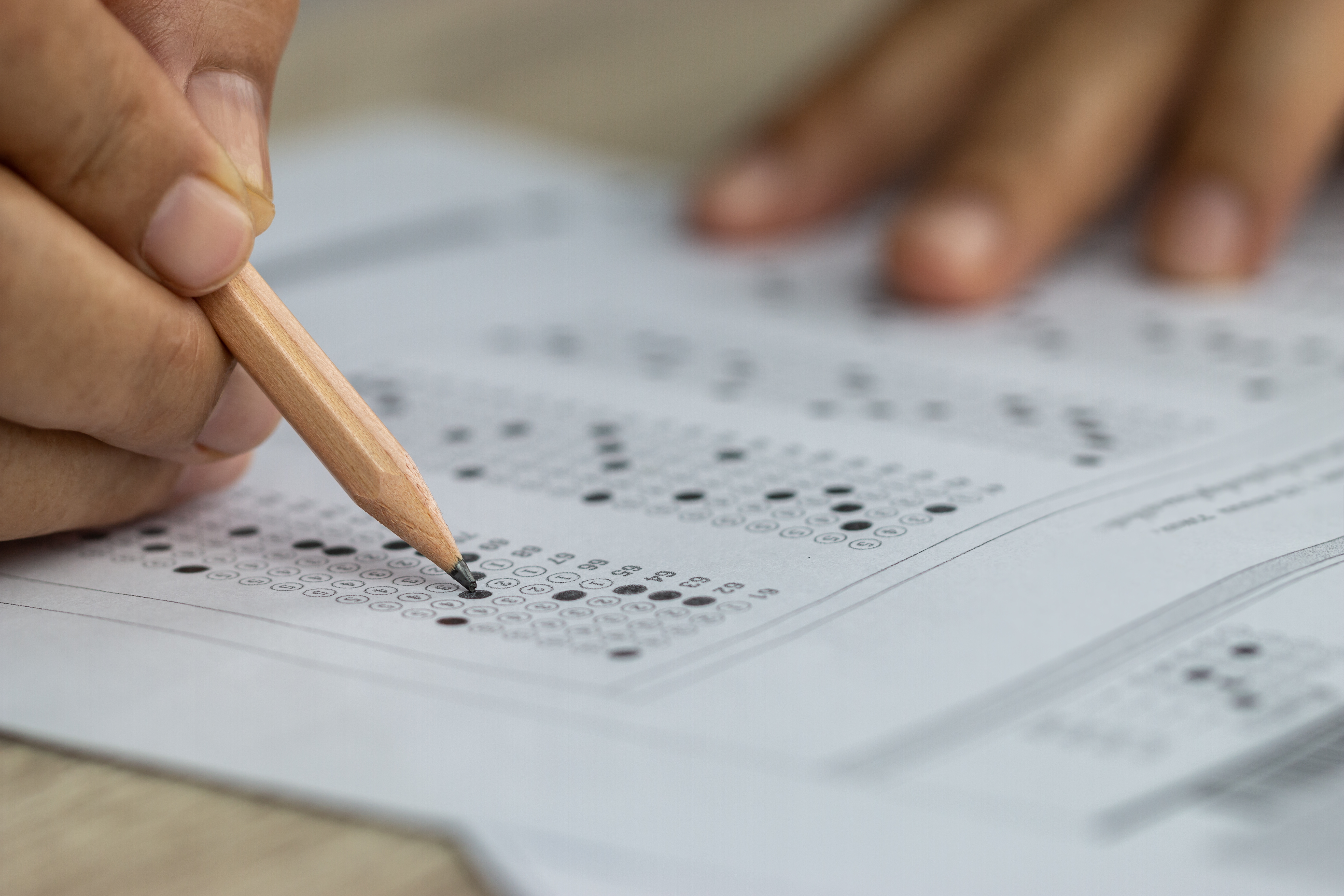
Traditional assessment practices often treat student performance as a fixed snapshot. A single test score becomes the primary measure of understanding, even though learning itself is rarely instantaneous. This creates a gap between what students know over time and what they are able to demonstrate in a single moment.
The philosophy behind allowing retakes challenges this limitation. It reframes assessment as an ongoing process rather than a final verdict. When students are given opportunities to reassess, the focus shifts from ranking performance to documenting growth. In this view, the purpose of assessment is to measure learning accurately, not prematurely.
Learning as a Gradual and Uneven Process
Student proficiency develops gradually, often in non-linear ways. A learner may struggle significantly at first, only to demonstrate strong understanding after additional exposure or practice. This pattern is not an exception but a normal part of cognitive development.
Retakes align assessment with this reality. They recognize that understanding deepens over time and that initial performance may reflect unfamiliarity rather than inability. When students revisit content, they are not starting over but refining and strengthening what they already know.
The Role of Feedback in Developing Mastery
Feedback is central to learning, but its value depends on whether students are allowed to act on it. Without opportunities to improve, feedback becomes a record of what went wrong rather than a guide for growth.
Retake systems give feedback a functional role. Students use teacher comments, corrections, and guidance to revisit weak areas before attempting the assessment again. This transforms evaluation into a cycle of improvement where understanding is actively built rather than passively recorded.
Shifting from Performance Orientation to Mastery Orientation
In many traditional systems, students become focused on performance outcomes such as grades and rankings. This can lead to surface-level learning aimed at short-term success rather than long-term understanding.
Allowing retakes supports a mastery-oriented approach. The emphasis moves from achieving a single high score to achieving genuine competence. Students begin to see learning as something they are responsible for developing over time, rather than something judged in one attempt.
Academic Grades as Evidence of Understanding
Grades are often treated as final indicators of ability, but they are only meaningful if they accurately reflect what a student knows. A single low score can distort this picture, especially when external factors such as stress, illness, or misunderstanding influence performance.
Retakes improve the validity of grades by incorporating evidence from multiple attempts. Over time, the grade becomes a more accurate reflection of sustained understanding rather than temporary performance. This strengthens the credibility of assessment as a tool for measuring learning.
Mistakes as Part of the Learning Process
Mistakes are not separate from learning but essential to it. They reveal gaps in understanding and provide direction for improvement. However, in systems without retakes, mistakes often become permanent marks against students rather than opportunities for growth.
Retake policies reframe mistakes as temporary and informative. Students are encouraged to analyze errors, revisit concepts, and apply what they have learned before trying again. This process normalizes revision as a natural part of academic development.
Developing Student Responsibility Through Reassessment
A common misconception is that retakes reduce accountability. In practice, effective retake systems often increase student responsibility. Learners are typically required to engage in additional preparation before reassessment.
This may include reviewing incorrect answers, seeking clarification, or completing practice work. These expectations ensure that retakes are not shortcuts but structured opportunities for improvement. Students learn that progress requires effort, reflection, and intentional practice.
Addressing Differences in Learning Pace
Students do not all learn at the same speed. Some grasp concepts quickly, while others require more time and repetition. Traditional assessment systems often fail to account for this variation, which can disadvantage slower processors or students with different learning needs.
Retakes provide flexibility within a consistent standard. All students are expected to achieve the same learning goals, but they are not constrained by identical timelines. This creates a more equitable environment where success is based on understanding rather than speed.
Reducing the Impact of External Barriers
Student performance can be influenced by factors unrelated to academic ability. Stress, anxiety, personal challenges, or unexpected disruptions can affect how well a student performs on a given day.
Retakes help mitigate the impact of these barriers. Instead of allowing a single difficult moment to define a student’s outcome, reassessment offers another chance to demonstrate learning under improved conditions. This makes assessment more humane and more representative of true ability.
Encouraging Persistence and Academic Resilience
Allowing retakes fosters persistence by reinforcing the idea that improvement is always possible. Students learn that setbacks are not final outcomes but steps in a longer process of development.
Over time, this builds academic resilience. Learners become more willing to engage with challenging material because they know that initial difficulty does not prevent eventual success. This mindset supports deeper engagement with learning tasks.
Maintaining Standards While Supporting Growth
A concern sometimes raised about retakes is the fear that they lower academic standards. However, retake policies do not change expectations. Students are still required to meet clearly defined learning goals.
The difference lies in how students are supported in reaching those goals. Rather than accepting early failure, the system provides structured opportunities to improve. Standards remain high, but access to meeting those standards becomes more flexible.
The Importance of Structured Retake Policies
For retakes to be meaningful, they must be carefully structured. Without clear guidelines, reassessment can become repetitive or lose instructional value. Effective systems define expectations for preparation, timing, and eligibility.
Students should understand that retakes require evidence of additional learning, not just repetition of the assessment. This ensures that each attempt reflects genuine progress and reinforces the purpose of mastery rather than convenience.
Building a Culture of Continuous Improvement
When retakes are integrated thoughtfully, they contribute to a broader classroom culture of continuous improvement. Students begin to view learning as an ongoing cycle of practice, feedback, and refinement.
Teachers also shift their focus toward supporting growth rather than simply recording results. Assessment becomes part of instruction rather than a separate endpoint. This alignment strengthens the overall learning environment and deepens student engagement.
Conclusion
The philosophy behind allowing retakes is grounded in a simple but powerful idea: learning takes time. By recognizing that proficiency develops through repeated effort and reflection, educators create assessment systems that more accurately reflect student understanding. Retakes are not about reducing expectations or making assessment easier. They are about ensuring that assessment measures what it is intended to measure, which is learning itself.