
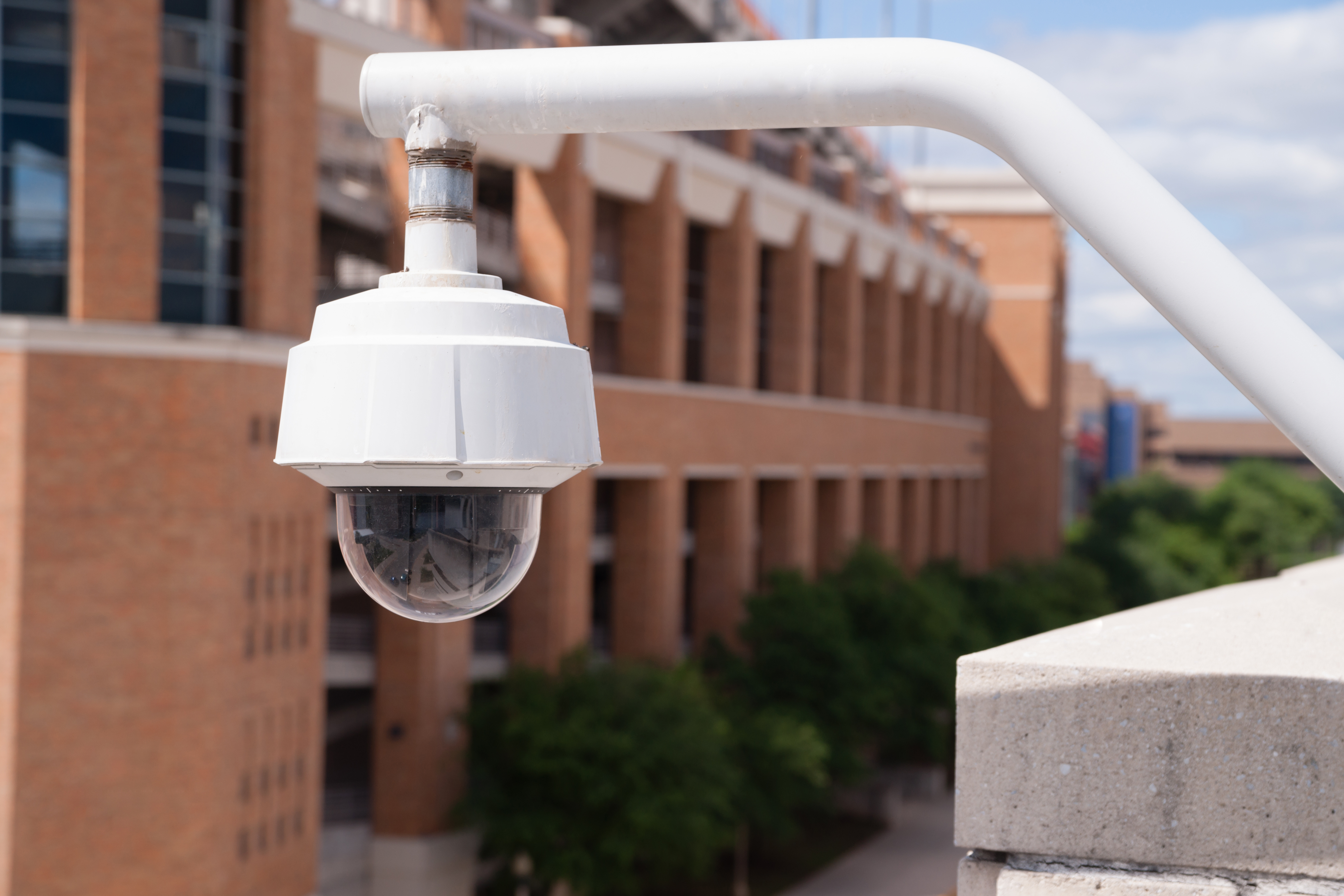
School security has traditionally focused on physical safeguards such as security personnel, surveillance cameras, visitor management systems, and emergency response procedures. In recent years, technology has expanded those capabilities, particularly through the use of artificial intelligence (AI).
While AI was initially used to monitor online activity and help schools identify potential digital threats, its role has grown significantly. Today, AI is helping schools monitor physical spaces, identify safety concerns in real time, and support faster responses to potential incidents.
The Evolution of AI in School Safety
The first wave of AI adoption in schools focused largely on digital environments. Schools implemented AI-powered tools to filter inappropriate content, monitor online activity, and detect potential cyber threats.
As AI technology matured, its applications expanded beyond student devices and internet usage. Modern systems can now analyze data from security cameras, access control systems, communication platforms, and campus sensors simultaneously.
This broader approach allows schools to monitor both digital and physical environments, creating a more complete picture of campus safety.
Moving Beyond Traditional Surveillance
Traditional surveillance systems primarily record events for later review. While useful for investigations, they often provide limited support during active situations. AI-enhanced surveillance systems operate differently. Rather than simply recording footage, they analyze video feeds in real time and identify unusual activities as they occur.
These systems can detect behaviors such as unauthorized entry into restricted areas, unusual movement patterns, or individuals remaining in locations where they should not be. When potential concerns are identified, school administrators and security personnel can receive immediate notifications.
How AI Helps Identify Potential Threats
One of AI's greatest strengths is its ability to recognize patterns across large amounts of information.
Security personnel cannot realistically monitor dozens or even hundreds of camera feeds simultaneously. AI systems, however, can continuously analyze multiple data sources without interruption.
When unusual activity occurs, the system can highlight it for human review. This helps schools focus attention on situations that may require intervention while reducing the likelihood that important warning signs go unnoticed.
Improving Campus Access Control
Controlling who enters and exits school buildings remains a critical component of school safety. AI is helping schools strengthen access control by monitoring entry points and identifying irregular activity. Modern systems can recognize unusual access patterns, detect unauthorized attempts to enter restricted areas, and alert administrators when security protocols are not being followed.
Visitor management systems are also becoming more intelligent. AI can help streamline visitor check-in processes while maintaining accurate records and improving accountability. These capabilities allow schools to create more secure campuses without significantly increasing administrative workloads.
Enhancing Emergency Response
During emergencies, timely information can make a significant difference. AI-powered communication systems help schools distribute alerts quickly to staff, students, parents, and emergency responders. By automating portions of the communication process, schools can reduce delays and improve coordination.
Some AI systems can also analyze information from multiple sources during an emergency. Cameras, sensors, and communication networks can provide real-time updates that help administrators assess the situation and determine the most appropriate response.
Monitoring Campus Activity More Effectively
School campuses are dynamic environments with students, staff, visitors, and service providers moving throughout the day. AI helps schools monitor these activities more efficiently by identifying patterns and recognizing when something falls outside normal behavior.
For example, AI systems may detect crowding in specific locations, identify unusual traffic flow patterns, or recognize activity occurring during unexpected hours. By providing greater situational awareness, AI enables administrators to proactively address concerns before they escalate into larger problems.
Supporting a Proactive Security Approach
Traditional security strategies often focus on responding after an incident has occurred. AI is helping schools move toward a more proactive approach. Because AI systems continuously analyze information, they can identify potential concerns earlier than traditional methods. This allows administrators to investigate situations before they develop into serious incidents.
The ability to recognize patterns and provide early warnings gives schools additional opportunities to intervene, improve safety procedures, and reduce risk. Proactive security measures help create learning environments where students and educators can focus more fully on education rather than safety concerns.
The Importance of Human Oversight
Despite its growing capabilities, AI is not a replacement for human judgment. School administrators, teachers, counselors, and security personnel play essential roles in evaluating information and making decisions. AI can identify patterns and flag concerns, but people remain responsible for interpreting context and determining appropriate actions.
Successful implementation depends on viewing AI as a support tool rather than an autonomous decision maker. When combined with experienced educators and security professionals, AI can strengthen existing safety practices while maintaining a human-centered approach.
Balancing Security and Privacy
As schools adopt more advanced technologies, privacy considerations become increasingly important. Students, parents, and educators expect schools to use technology responsibly and transparently. Clear policies regarding data collection, storage, and usage help build trust within the school community.
Schools must ensure that AI systems comply with privacy regulations and ethical standards while maintaining their effectiveness as security tools. Finding the right balance between safety and privacy is essential for long-term success and community support.
The Future of AI in School Security
Artificial intelligence continues to evolve, and its role in school security is likely to expand in the coming years. Future systems may provide even more accurate threat detection, improved emergency coordination, and deeper insights into campus safety trends. Advances in predictive analytics and intelligent monitoring could help schools identify risks earlier and respond more effectively.
At the same time, educational leaders will need to continue evaluating how these technologies are implemented to ensure they align with educational values and student well-being. The goal is not simply to introduce more technology but to create safer environments that support learning and growth.
Conclusion
Artificial intelligence is transforming school security by extending protection beyond online activity and into the physical spaces where students learn every day. Through intelligent surveillance, enhanced access control, real-time monitoring, and improved emergency response capabilities, AI is helping schools strengthen their safety strategies.
As schools continue to invest in safer learning environments, AI will play an increasingly important role in supporting the well-being of students, staff, and the broader school community.