
Teaching is most effective when students gradually move from relying on teacher support to becoming confident independent learners. In K–12 education, this transition often happens through two key instructional approaches: guided practice and independent practice. While both methods serve different purposes, they work together to help students build understanding, strengthen skills, and develop academic confidence.
Understanding Guided Practice
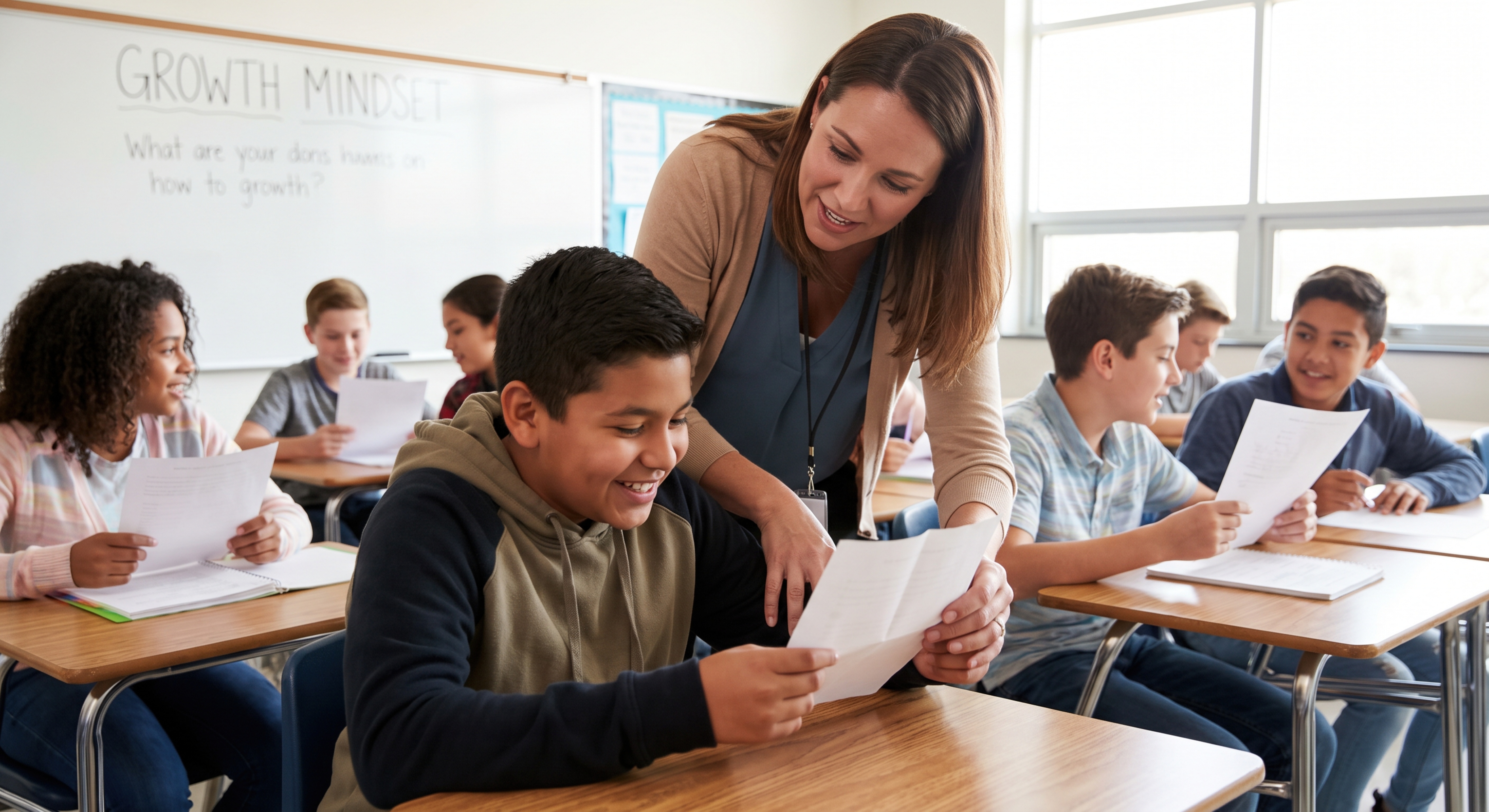
Guided practice is the stage of learning where students apply new concepts with direct teacher support. At this point, students are still developing understanding and need feedback, clarification, and modeling as they practice.
Rather than simply listening to instruction, students actively engage with the material while the teacher monitors progress and corrects misunderstandings. This process helps students gain confidence before they are expected to complete tasks independently.
Why Guided Practice Builds Confidence
Students often feel uncertain when learning something unfamiliar. Guided practice reduces this anxiety by creating a structured environment where mistakes become learning opportunities rather than failures.
When teachers walk students through examples, ask questions, and provide immediate feedback, learners feel supported. This support is especially important for students who struggle academically or lack confidence in certain subjects.
Guided practice also encourages participation because students know help is available when needed. As a result, students are more willing to attempt difficult tasks and engage with challenging material.
Guided Practice in Elementary Classrooms
In elementary schools, guided practice often appears through highly interactive activities. Teachers may read aloud with students, solve math problems together, or model writing strategies step by step.
Young learners benefit from repetition and clear guidance. Teachers frequently pause to ask questions, check understanding, and reinforce expectations throughout the lesson. Because elementary students are still developing foundational learning habits, guided practice helps establish routines for thinking, problem solving, and participation.
Guided Practice in Middle and High School
As students grow older, guided practice becomes more collaborative and discussion based. Teachers may facilitate group analysis, supervise science experiments, or guide students through complex problem solving activities.
In secondary classrooms, students are expected to contribute more actively to discussions and demonstrate increasing responsibility during guided tasks. However, teacher support remains important, particularly when students encounter advanced or unfamiliar concepts.
The Purpose of Independent Practice
Independent practice occurs after students have gained enough understanding to apply skills on their own. During this stage, students work without direct teacher assistance to strengthen mastery and develop independence.
This phase is important because true learning becomes visible when students can complete tasks independently. A student may appear confident during guided instruction but struggle when required to work alone.
Developing Academic Independence
One of the most valuable outcomes of independent practice is the development of self directed learning skills. Students learn how to manage their time, organize their thinking, and solve problems without constant support.
These skills become increasingly important as students move through higher grade levels. Independent learning prepares students for college, careers, and lifelong problem solving beyond the classroom.
Students who regularly engage in meaningful independent work often become more resilient learners because they develop the ability to persist through challenges.
Independent Practice and Critical Thinking
Independent work also encourages students to think critically rather than rely on teacher prompts. When students must analyze information, make decisions, or complete assignments independently, they strengthen higher order thinking skills.
This process is particularly important in subjects that require reasoning and creativity. Writing essays, conducting research, solving complex equations, and designing projects all require students to apply knowledge independently.
The Risks of Moving Too Quickly
One common challenge in classrooms occurs when students are pushed into independent work before they are ready. Without enough guided support, students may become frustrated or develop misunderstandings that are difficult to correct later.
When students repeatedly experience confusion during independent tasks, motivation often declines. Some students begin avoiding participation because they fear making mistakes.
Effective teachers recognize that readiness for independent practice varies among students. Some learners may need additional modeling or guided support before transitioning into independent tasks.
The Gradual Release of Responsibility
Successful instruction often follows a gradual release model. Teachers first demonstrate a concept, then guide students through practice, and finally allow students to work independently. This progression helps students build understanding step by step rather than feeling overwhelmed. Each phase supports the next, creating a smoother learning experience.
The transition from guided to independent practice should feel natural rather than abrupt. Students need opportunities to practice with support before they are expected to demonstrate mastery alone.
Differentiation and Student Needs
Not all students learn at the same pace, which is why flexibility matters when balancing guided and independent practice. Some students quickly become comfortable working alone, while others need additional support.
Effective teachers adjust instruction based on student readiness, learning styles, and academic needs. This may involve small group instruction, extra guided examples, or differentiated assignments.
The Role of Feedback
Feedback is essential during both guided and independent practice. During guided instruction, immediate feedback helps students correct mistakes before misconceptions become permanent.
During independent work, feedback helps students reflect on their performance and identify areas for improvement. Constructive feedback encourages growth while reinforcing understanding.
Technology and Modern Learning Environments
Technology has changed how guided and independent practice occurs in modern classrooms. Educational platforms now allow students to receive guided prompts, interactive feedback, and personalized learning experiences.
Teachers can monitor student progress in real time while adjusting instruction to meet individual needs. At the same time, digital tools also support independent learning by allowing students to complete assignments, conduct research, and practice skills at their own pace.
Creating a Balanced Classroom
The strongest K–12 classrooms are not entirely teacher directed or completely independent. Instead, they create a thoughtful balance between support and autonomy.
Teachers must continuously assess student understanding and determine when to provide guidance and when to encourage independence. This balance creates classrooms where students feel supported while also learning how to take responsibility for their own growth.
Conclusion
Guided and independent practice are both essential parts of effective teaching in K–12 education. Guided practice provides students with the support, feedback, and confidence needed to learn new concepts successfully. Independent practice helps students strengthen understanding, build responsibility, and develop lifelong learning skills.