
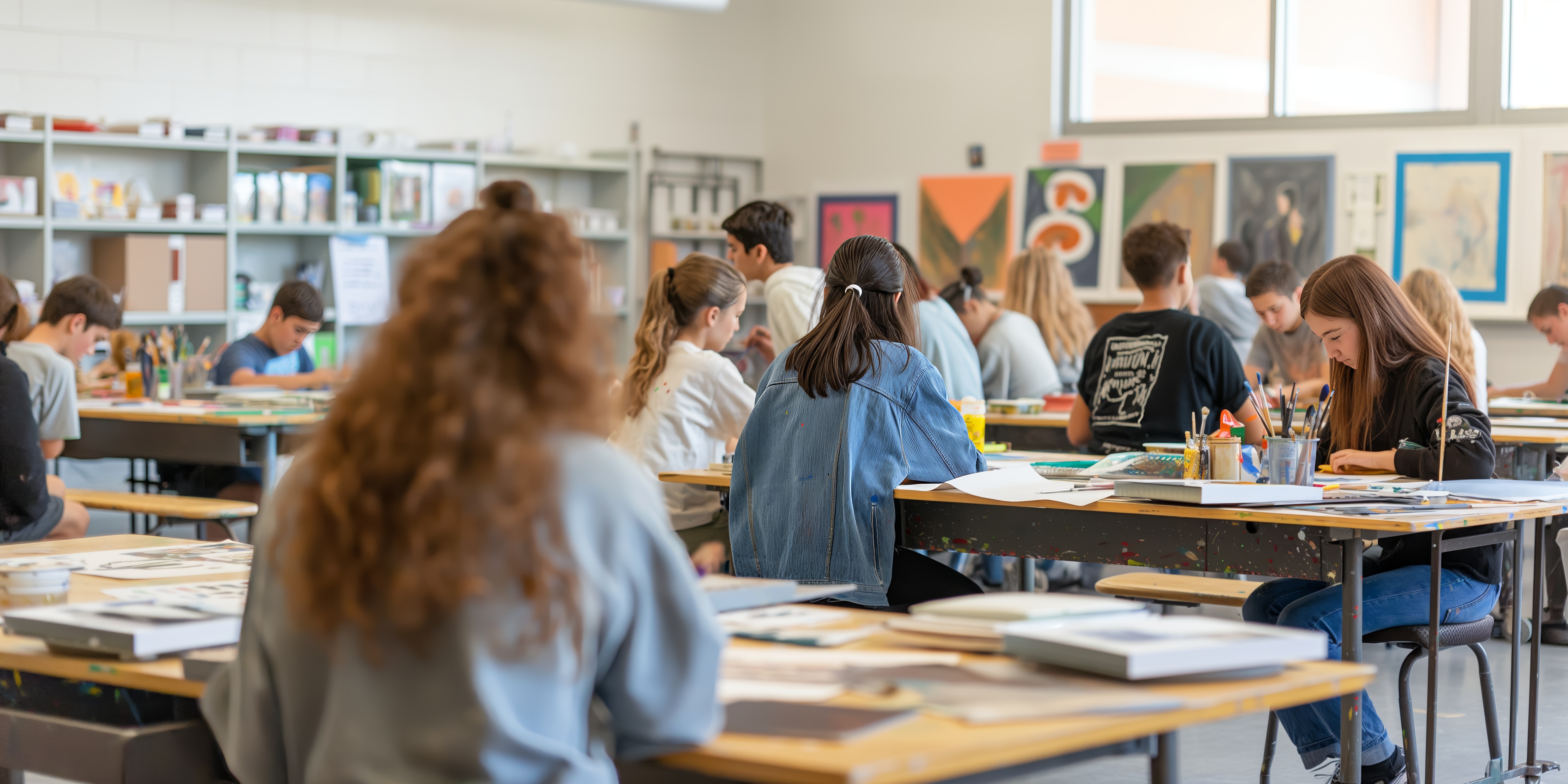
A learner-centered classroom places students at the heart of instruction, where learning is shaped by their needs, strengths, interests, and progress. It moves beyond teacher-led delivery and creates space for students to actively participate in constructing knowledge.
For students receiving special education services, this approach ensures access, participation, and meaningful engagement alongside their peers. For all learners, it builds independence, confidence, and a stronger sense of ownership over learning.
Starting the Day with Connection and Purpose
The beginning of the school day sets the emotional and academic tone for everything that follows. In learner-centered classrooms, teachers prioritize connection before instruction. Greeting students by name, acknowledging their presence, and offering a brief check-in creates a sense of belonging. This simple routine signals that students are valued as individuals, not just participants in a lesson.
For students with special education needs, this consistency helps reduce anxiety and supports smoother transitions into learning. A calm, welcoming start helps every learner feel ready to engage.
Building Predictable Learning Structures
Learner-centered classrooms still require strong structure to support independence. Predictable routines allow students to focus on learning rather than constantly figuring out what comes next.
Daily structures such as posted schedules, clear task sequences, and consistent transitions help students feel secure. When expectations are stable, students can take more responsibility for managing their learning.
For students receiving additional learning support, predictability reduces cognitive overload and increases confidence. They are better able to participate when the classroom rhythm is familiar.
Making Instruction Accessible to All Learners
Instruction in a learner-centered classroom is designed with flexibility so that all students can access content in meaningful ways. Teachers present ideas using varied methods such as explanation, visuals, modeling, and guided practice. This ensures that students with different learning profiles can engage with the same concept.
For students in special education, accessibility is not an add-on but part of the core design. Multiple entry points into learning allow them to engage without unnecessary barriers while still working toward shared goals.
Embedding Choice into Daily Learning
Choice is a key feature of learner-centered classrooms because it builds ownership and motivation. Even small choices can significantly impact student engagement.
Students may choose how to complete a task, which problem to solve first, or how to present their understanding. These decisions help learners feel that their voice matters in the learning process.
For students receiving special education services, structured choice can reduce frustration and increase participation. It allows them to demonstrate understanding in ways that align with their strengths.
Strengthening Participation Through Student Voice
A learner-centered classroom actively encourages students to share ideas, ask questions, and reflect on their learning. Student voice is not limited to formal discussions but is embedded in everyday interactions.
Teachers create space for students to explain their thinking, respond to peers, and contribute to classroom dialogue. These moments help students develop communication skills and confidence.
For learners with additional needs, structured opportunities to speak or express ideas ensure they are included in academic conversations. Their perspectives become part of the learning environment.
Supporting Learning Through Collaboration
Collaboration is a daily practice that helps students learn from and with each other. Learner-centered classrooms regularly incorporate pair and group activities that require communication and shared problem-solving.
These interactions help students develop social and academic skills simultaneously. They learn to listen, explain, negotiate, and support one another.
For students receiving special education services, collaboration offers natural opportunities for inclusion. Thoughtfully structured group work ensures that every student has a meaningful role.
Differentiating Instruction in Real Time
Differentiation is an ongoing daily practice rather than a separate planning task. Teachers adjust instruction based on student readiness, understanding, and engagement. This may involve providing additional scaffolding, offering extended challenges, or modifying materials to support comprehension. The goal is to ensure that every student can move forward in learning.
For students with diverse needs, this flexibility prevents them from being left behind or disengaged. It allows them to participate in the same learning goals at an appropriate level of support.
Using Feedback as a Learning Tool
In learner-centered classrooms, feedback is continuous and formative. It focuses on growth, effort, and next steps rather than only final outcomes. Teachers provide feedback during learning activities through conversations, written comments, and quick check-ins. Students use this information to revise and improve their work.
For students receiving special education services, timely feedback is especially important because it reinforces progress and clarifies expectations. It helps them understand what they are doing well and what to improve next.
Creating Space for Reflection Every Day
Reflection is a powerful daily practice that helps students become aware of their learning process. It encourages them to think about what they learned, how they learned it, and what they need next.
Teachers may include short reflection moments at the end of lessons or transitions between activities. These routines help students develop metacognition and self-awareness.
For learners in special education, reflection supports gradual independence by helping them recognize their own progress over time.
Maintaining an Inclusive Classroom Culture
A learner-centered classroom is grounded in inclusion, where every student feels they belong and can succeed. This culture is built through daily actions rather than isolated lessons. Teachers model respect, encourage empathy, and reinforce positive interactions among students. They ensure that differences are acknowledged and valued rather than overlooked.
For students receiving special education services, inclusion means being active participants in all classroom experiences. The classroom becomes a shared space where diversity strengthens learning.
Closing the Day with Intention and Reflection
Just as the beginning of the day matters, the end of the day also shapes student experience. A learner-centered classroom ends learning with structure and reflection rather than abrupt dismissal.
Teachers may ask students to summarize what they learned, identify a takeaway, or set a small goal for the next lesson. This reinforces continuity in learning.
For all students, including those with special education needs, structured closure helps consolidate understanding and provides a sense of completion.
Conclusion
Building a learner-centered classroom is not achieved through a single strategy but through consistent daily practices that shape culture over time. Every interaction, routine, and instructional decision contributes to how students experience learning.
When teachers prioritize connection, accessibility, voice, and reflection, they create classrooms where students feel supported and capable. For students receiving special education services, these practices ensure meaningful participation and growth. For all learners, they foster independence, engagement, and a deeper connection to learning.