
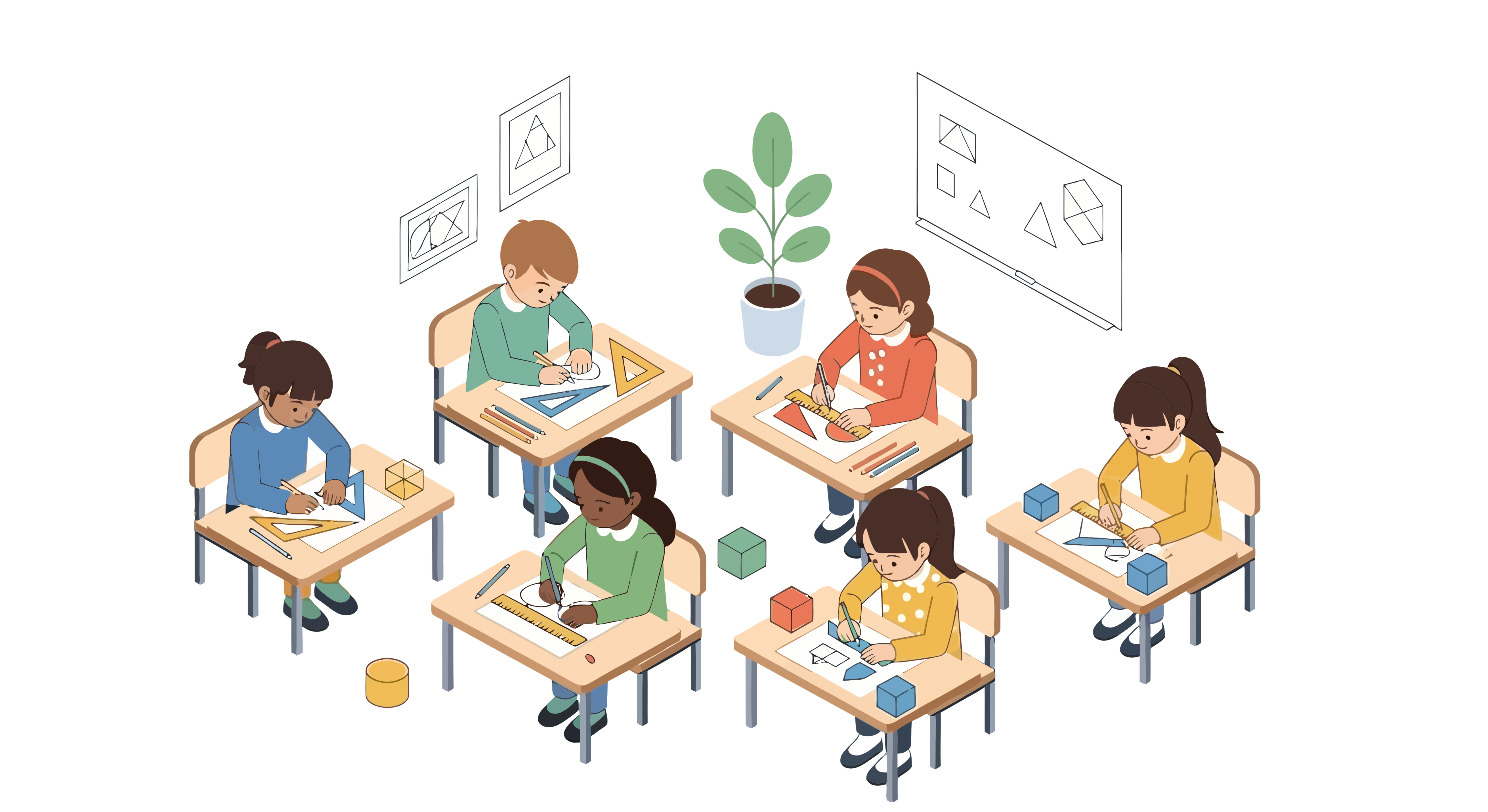
For generations, teachers have associated a quiet classroom with control, focus, and productivity. The image of students sitting neatly in rows, working silently on their assignments, has long represented the traditional ideal of effective classroom management. However, as educational philosophies evolve, it is becoming increasingly clear that silence does not always equal learning. In fact, the most dynamic and engaging classrooms are often filled with the sounds of discussion, collaboration, and curiosity.
The Myth of the “Quiet Equals Productive” Classroom
The idea that silence represents learning is deeply rooted in traditional teaching practices. Historically, classrooms were designed for direct instruction—teachers talked while students listened. In that model, quietness indicated attention, respect, and discipline. But as education has shifted toward student-centered learning, the indicators of success have changed as well.
Today, learning is recognized as a social and interactive process. Students build understanding by asking questions, discussing ideas, and working together to solve problems. In this context, noise is not a distraction—it is evidence of engagement. A classroom filled with the hum of conversation often reflects collaboration, creativity, and critical thinking in action.
That said, productive noise differs from disorder. The goal is not to abandon structure or let volume spiral out of control, but to recognize that meaningful learning environments often sound different from the silent classrooms of the past.
Understanding What Productive Noise Looks Like
To a new teacher, a room full of chatter can feel unsettling. It may seem as though students are off-task or not paying attention. Yet, productive noise has distinct characteristics. It is purposeful, connected to learning objectives, and typically involves students interacting with one another about the task at hand.
For instance, when students are debating interpretations of a poem, explaining math strategies, or collaborating on a group project, the classroom will naturally be more animated. The teacher’s role shifts from being the sole source of knowledge to a facilitator guiding discussions, posing questions, and helping students stay focused.
Learning to distinguish between productive and off-task noise is a skill that develops over time. New teachers can observe body language, listen to snippets of conversation, and assess whether discussions align with lesson goals. This awareness helps them strike the right balance between freedom and focus.
Why Active Classrooms Support Deeper Learning
Research in education consistently supports the idea that students learn more effectively when they are active participants in the process. Interactive classrooms foster deeper cognitive engagement by requiring students to articulate their reasoning, listen to others, and build on different perspectives.
In subjects like science or social studies, hands-on inquiry and group problem-solving encourage critical thinking. In language arts, peer discussions enhance comprehension and vocabulary. Even in mathematics, talking through problem-solving strategies helps solidify understanding and correct misconceptions.
Moreover, active classrooms help students develop essential life skills such as communication, teamwork, and adaptability—skills that are increasingly valued in higher education and the workplace. By promoting interaction, teachers are not only helping students master content but also preparing them for real-world collaboration.
Strategies for Managing Productive Noise
For new teachers, shifting from a quiet to an active classroom can feel uncomfortable at first. The key lies in structure and intentionality. Setting clear expectations and routines helps channel energy into productive learning rather than chaos.
Start by explaining to students what productive noise means and why it is valuable. Let them know that collaboration is encouraged, but it must stay focused and respectful. Use visual cues or signals—like raising a hand or turning off the lights briefly—to regain attention when needed. Over time, students learn how to self-regulate and move between discussion and quiet reflection smoothly.
Physical arrangement also influences classroom dynamics. Group seating or flexible layouts can facilitate conversation without raising noise levels excessively. Technology tools, such as collaborative platforms or shared documents, can further guide structured interaction while keeping everyone on task.
Finally, new teachers should give themselves grace. It takes practice to feel comfortable in a classroom that is not silent. Observing experienced educators, experimenting with group sizes, and reflecting on what works best can help find the right rhythm.
Redefining Classroom Success
When evaluating a successful day, new teachers should look beyond surface-level orderliness. Instead of asking, “Was the class quiet?”, consider questions like “Were students engaged?”, “Did they ask thoughtful questions?”, or “Did they learn from one another?” These are stronger indicators of meaningful learning.
A classroom full of dialogue and collaboration may appear less controlled, but it is often far more productive and authentic. When students are motivated to express their ideas, test their understanding, and contribute to group goals, the teacher’s work is truly making an impact.
This mindset shift also supports professional growth. Teachers who embrace active learning environments tend to become more adaptable and reflective. They focus on outcomes rather than appearances, prioritizing engagement and understanding over mere compliance.
The Balance Between Quiet and Energy
While a quiet classroom isn’t always ideal, neither is one that’s constantly noisy. The best learning spaces ebb and flow between sound and silence, depending on the activity. Discussion and collaboration should be balanced with moments of independent thought, reflection, and synthesis.
Teachers can plan lessons with intentional transitions—starting with a brief lecture or demonstration, followed by group discussion, and concluding with individual application. This rhythm allows students to process information in multiple ways while maintaining a sense of order.
In this balanced model, quiet no longer symbolizes control—it represents concentration. And noise no longer represents disruption—it reflects engagement. Both are essential ingredients of a thriving classroom.
Conclusion
A quiet classroom may look orderly, but it does not necessarily reflect deep learning. In modern education, engagement, collaboration, and curiosity are stronger measures of success than silence. By rethinking traditional notions of classroom management, new teachers can create spaces that are not just controlled but alive with purpose.
The sounds of students talking, questioning, and exploring together are signs of intellectual growth. When teachers learn to embrace and guide that energy, they build classrooms that are both dynamic and effective—places where students’ voices become a central part of the learning experience.